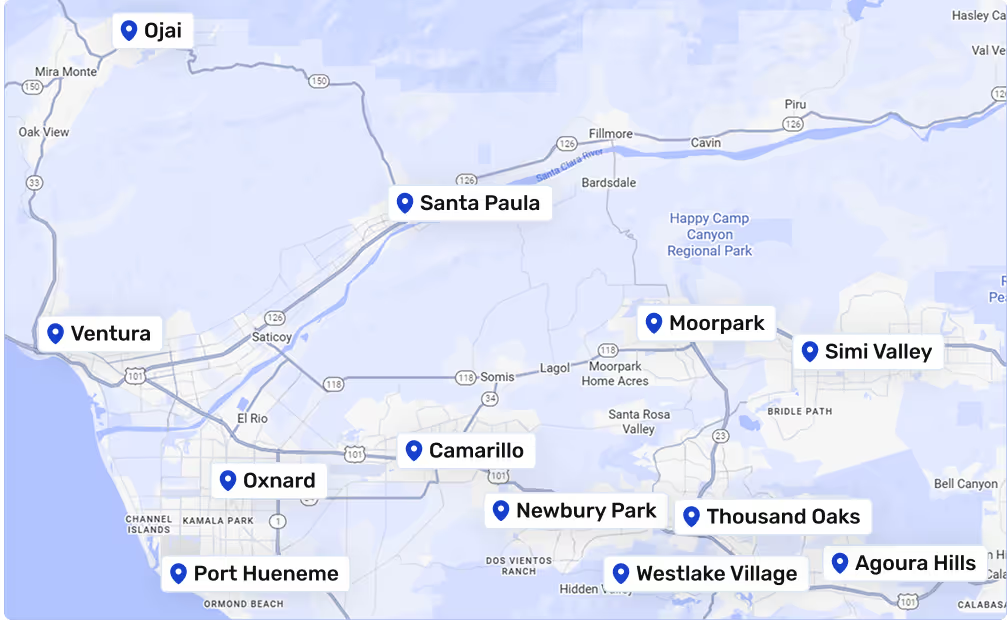


Leak Detection in Agoura Hills, CA
.avif)

Hidden leaks can quietly cause major damage to Agoura Hills homes and increase water bills while wasting a precious resource in a region prone to drought conditions. Professional leak detection locates the source quickly and accurately using non invasive methods that protect landscaping and structures. Camarillo Plumbing provides experienced leak diagnosis for slab foundations, underground water lines, irrigation and pool plumbing in Agoura Hills, CA, helping homeowners minimize property damage and repair costs.
Common signs of leaks in Agoura Hills homes
- Unexplained increase in your water bill while usage habits are unchanged
- Persistent damp spots, musty odors, or visible mold growth inside walls or under floors
- Localized warm areas on floors or near walls from hot water leaks
- Continuous sound of running water or hissing when all fixtures are off
- Low water pressure at multiple fixtures fed by the same line
- Wet or sinking spots in yards, standing water near foundations, or lush patches in otherwise dry landscaping
- Meter movement when all water is off (indicates active leak)
Local factors to consider: Agoura Hills sits in a hilly, Mediterranean climate with clay and decomposed granite soils that shift seasonally. Thermal expansion, shifting soils, and older irrigation and pool systems increase the chance of slab and underground leaks.
Non invasive diagnostic techniques explained
Camarillo Plumbing relies on advanced, minimally invasive tools to pinpoint leaks without routine digging or demolition.
- Acoustic leak detection
Uses sensitive listening devices to detect the sound of water escaping pressurized pipes. Highly effective for metallic and PVC lines under slab or in walls. Technicians triangulate sound to locate the leak with a high degree of accuracy. - Thermal imaging
Infrared cameras reveal temperature differences caused by leaking hot or cold water behind floors and walls. Excellent for locating hot water slab leaks and identifying moisture paths before opening a floor. - Electronic pipe locators and ground microphones
Combine tracer wires, sonde locators, and ground microphones to map pipe routes under concrete and soil. Especially useful for following buried irrigation or sewer lines common in Agoura Hills properties. - Camera inspections
Push cameras inspect the inside of drain and water lines to verify damage, cracks, root intrusion, or blockages. Video recording documents the condition of the pipe and helps determine repair strategy.
Slab and underground water line leak diagnosis
Slab leak detection in Agoura Hills focuses on issues caused by soil movement, foundation contact, and aging plumbing. Typical workflow includes a pressure test, acoustic survey across the slab, and thermal imaging to narrow the area. For underground water lines such as irrigation, pool, or service lines, technicians use tracer gas or sonde-based locating combined with camera verification where possible. Clay soils and steep terrain in Agoura Hills can mask leaks, so experienced technicians adapt methods to site conditions to avoid unnecessary excavation.
Inspection, documentation, and reporting process
- Initial intake and history of the problem, visible symptoms, and recent work on the property
- Meter and pressure checks to confirm active leak and measure severity
- Non invasive surveys (acoustic, thermal, electronic locating) to isolate the leak area
- Targeted camera inspection if accessible from cleanouts or exposed pipe ends
- Physical verification (small, targeted exposure only if required) to confirm type of failure
- Comprehensive written report detailing: location map, cause summary, photos and video where applicable, risk assessment, and recommended repair options with timelines and expected disruption
Reports are structured for clarity so homeowners and insurance providers can quickly understand the scope and next steps.
Recommended repair options and estimates
Repair choices depend on pipe material, location, and severity. Typical options include:
- Localized repair or sleeve replacement
For accessible breaks under slabs or in walls, targeted exposure and patching often resolve the issue quickly. - Reroute or replace section of pipe
When a line is hard to access or has multiple failures, rerouting above slab or replacing the damaged section is preferred. - Trenchless methods for underground lines
Pipe bursting, horizontal directional drilling, and cured-in-place lining reduce landscape disruption and are often the best option for irrigation or service line repairs. - Slab leak approaches
Techniques range from slab drilling and sleeving the pipe to full repipe under the slab or rerouting the line to eliminate future slab exposure.
Each option is assessed for durability, impact on landscaping and structures, and lifecycle cost. Estimates are provided in writing with the rationale for the recommended approach.
Emergency response availability
Leaks that threaten structural integrity, cause flooding, or present health risks require immediate action. Emergency technicians respond to stop the source, perform temporary isolation of the affected system, and arrange a prioritized diagnostics and repair plan tailored to Agoura Hills conditions.
Prevention tips and maintenance advice
- Check your water meter overnight with all water off to spot hidden leaks early
- Inspect irrigation heads and lines seasonally, especially after hot, dry summers and winter rains that shift soil
- Avoid planting trees or deep-rooted shrubs near water or sewer lines
- Maintain consistent landscaping grading and gutters to avoid soil erosion next to foundations
- Schedule periodic plumbing inspections for older homes or properties with pools and complex irrigation systems
- Consider pressure regulators and thermal expansion controls to reduce stress on pipes
Timely detection and simple preventive steps can preserve water, reduce damage, and extend the life of plumbing systems in Agoura Hills.
FAQsQ: How can I tell if a leak is under the slab?A: Common indicators are localized warm spots on the floor (for hot water), increased water bills, unexplained moisture near baseboards, and continuous meter movement when all fixtures are off. Professional acoustic and thermal scans confirm under-slab leaks.
Q: Are non invasive techniques reliable for slab and underground leaks?A: Yes. Acoustic detection, thermal imaging, electronic locating, and camera inspections have high accuracy when performed by experienced technicians and usually avoid full excavation.
Q: Will you always need to break concrete to fix a slab leak?A: Not always. Many leaks can be repaired with targeted exposure or by rerouting the line. Trenchless solutions and sleeve repairs reduce or eliminate the need for large concrete breaks in many cases.
Q: How long does a typical leak detection inspection take?A: Inspections vary with complexity but many residential diagnostics can be completed the same day in a few hours. More complex underground or multi-line issues may require additional testing.
Q: Can irrigation or pool leaks increase my water bill significantly in Agoura Hills?A: Yes. Underground irrigation and pool plumbing can lose large volumes before signs are visible. Prompt detection is essential in a drought-prone area to prevent waste and high bills.
Q: Will you provide a written report I can give to my insurance company?A: A documented report with findings, photos or video, and recommended repairs is typically provided and can be used for insurance claims and repair planning.
hear what our satisfied clients have to say