
Water Heater Installation in Moorpark, CA
.avif)

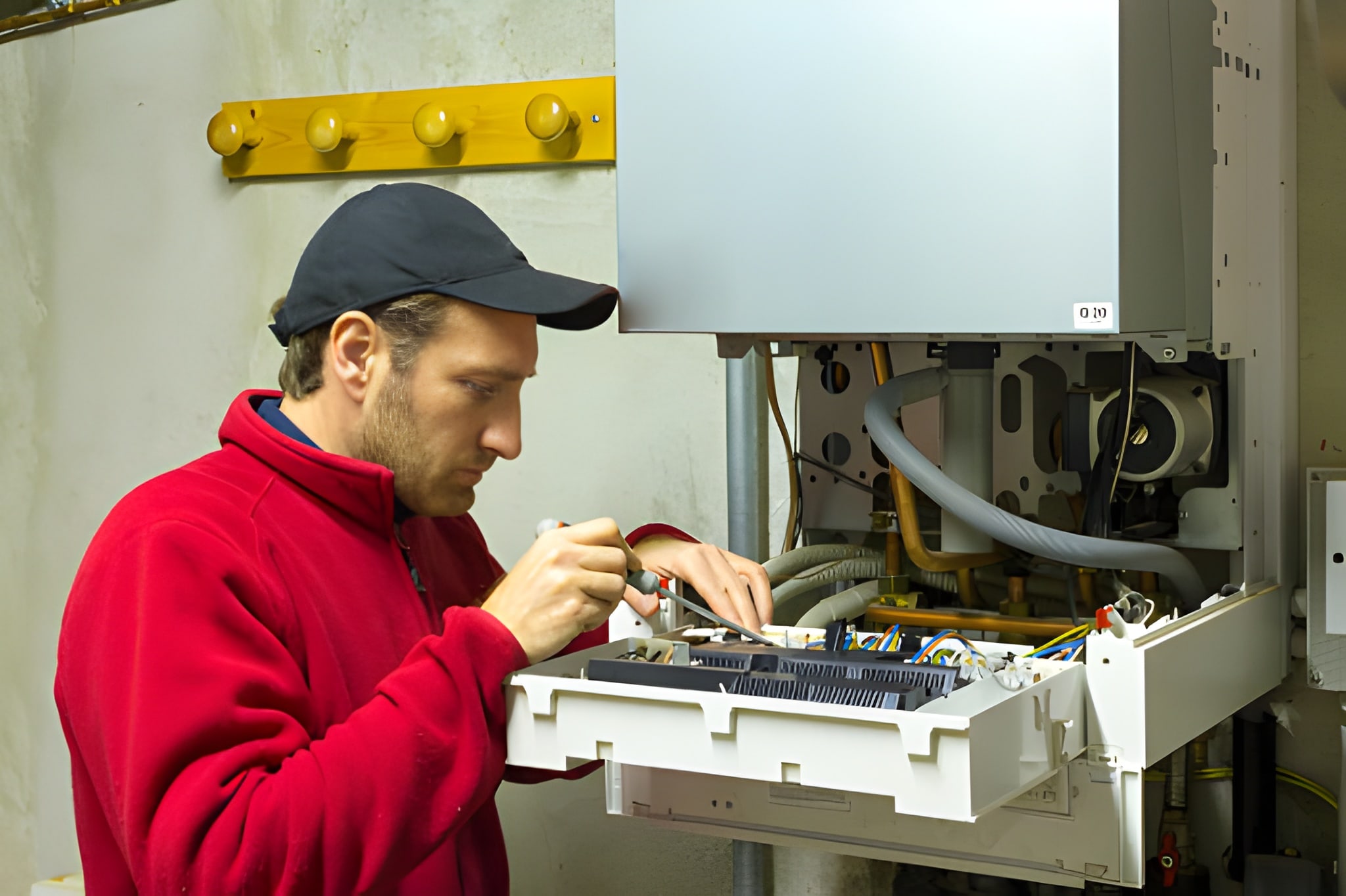
Installing a new water heater is a major home upgrade that affects comfort, energy bills, and long term reliability. For homeowners in Moorpark, CA, where mild Mediterranean weather and local water mineral content influence performance, a professional, code-compliant installation is essential. Camarillo Plumbing provides a full-service water heater installation process that covers site assessment, unit selection, permits and inspections, precise installation, warranty handling, and hands-on customer education.
Why a professional installation matters in Moorpark, CA
- Local groundwater often contains minerals that accelerate scale and sediment buildup, which can shorten heater life and reduce efficiency if not addressed during installation.
- Moorpark’s mild climate means incoming groundwater is warmer than in colder regions, slightly reducing energy needed to heat water, but improper sizing or ventilation can still cause performance problems.
- Building codes and permit requirements in Moorpark and Ventura County protect safety for gas venting, electrical connections, and seismic strapping for tank units.
Common water heater needs we install
- Full replacement of failed tank heaters
- Upgrades from electric to gas or vice versa
- Tankless on-demand water heater installations
- Hybrid heat pump water heaters for energy savings
- Relocation or reconfiguration to meet code or space constraints
- Seismic strapping, vent upgrades, and conversion to meet current standards
Site assessment: what we evaluate
A thorough site assessment determines the right system and scope:
- Existing fuel type and capacity of gas lines or electrical service
- Available installation space, clearances, and venting routes
- Incoming water temperature and local water quality factors
- Household hot water demand (number of fixtures, peak usage)
- Access for maintenance and code-required safety devices
- Any need for trenching, condensate drainage, or electrical panel upgrades
Tank vs tankless: which is right for Moorpark homes
Tank water heaters
- Pros: Lower upfront cost, simple installation for replacements, reliable supply for simultaneous use if sized correctly.
- Cons: Standby heat loss, larger footprint, shorter average lifespan than tankless when not maintained.
Tankless (on-demand)
- Pros: Higher energy efficiency for many households, virtually unlimited hot water, smaller footprint, longer typical lifespan when maintained.
- Cons: Higher upfront cost, may require gas line or electrical upgrades, sensitivity to hard water which can necessitate regular descaling.
Hybrid heat pump units
- Pros: Best energy efficiency, can significantly reduce operating costs in mild climates like Moorpark.
- Cons: Larger footprint and may require different clearances and condensate management.
Sizing and energy-efficiency considerations
- Tank heaters are sized by storage capacity (gallons) and first-hour rating (how much hot water they deliver in an hour). Typical families: 40-50 gallons for 2-3 people, 50-80+ for larger households or heavy simultaneous use.
- Tankless units are sized by required flow rate (gallons per minute) and temperature rise. We calculate peak demand (showers, dishwasher, laundry) and incoming water temperature to select a properly rated unit.
- Look at efficiency ratings such as Uniform Energy Factor (UEF) and Energy Star where applicable. In Moorpark, choosing higher-efficiency units or hybrids can yield meaningful savings over time.
- Consider the fuel type: natural gas typically has lower operating costs for high demand, while electric and heat pump options may be preferable where gas access is limited.
Permits and code compliance
- We manage permit applications and inspections required by the City of Moorpark and Ventura County. Permits cover gas piping, venting, electrical, and structural anchoring when needed.
- Installations meet local building code requirements for venting, combustion air, seismic strapping, pressure relief valves, and proper clearances.
- Final inspection ensures safe operation and allows warranty validation when manufacturer or local codes require certified installation.
Step-by-step installation process
- Pre-installation site visit and final system selection with paperwork and permit submission.
- Prepare the site: shut off utilities, drain and disconnect the old unit, and remove it safely.
- Modify or upgrade utilities as needed: gas line sizing, electrical breaker upgrades, or condensate/drain routing.
- Set and secure the new unit: install seismic strapping for tanks, mount tankless units to proper backing, and route venting per code.
- Connect water lines with approved fittings, install temperature and pressure relief valve, and add expansion tank if required.
- Make gas or electrical connections and install required shutoffs and drip legs for gas.
- Start-up and commissioning: fill the tank or purge air from tankless lines, check for leaks, light burners or energize heating elements, and program controls.
- Post-install inspection scheduling with the local authority as required.
- Final walkthrough and customer education on operation, temperature settings, maintenance schedule, and warranty registration.
Expected timelines
- Site assessment and estimate: same day or within a few days.
- Permit approval: typically a few days to 2 weeks depending on workload and scope.
- Straight replacement: 3 to 6 hours from disconnect to commissioning.
- Tankless or major retrofit (gas line upgrades, venting changes, or electrical work): 1 to 2 days.
- Hybrid or complex installations may require additional planning and equipment lead time.
Warranties and documentation
- New units carry manufacturer warranties for parts and tank or heat exchanger life. Warranty length varies by model and manufacturer.
- Camarillo Plumbing provides documentation of installation, permits, and workmanship coverage when applicable.
- Registering the unit with the manufacturer and keeping installation records helps protect warranty claims.
Post-installation testing and customer education
- We perform pressure and leak tests, combustion and venting checks, and confirm temperature settings and safety devices.
- We demonstrate unit operation, how to shut off fuel and water, recommended temperature setting (usually 120 degrees F for safety and efficiency), and explain audible or visual fault indicators.
- Maintenance recommendations: annual flushing for tanks, periodic anode rod inspection, and regular descaling for tankless units in areas with mineral content. For Moorpark homes, consider whole-home water treatment or a water softener to extend heater life and maintain efficiency.
Long-term benefits and maintenance advice
- A properly sized and installed water heater saves energy, improves comfort, and reduces emergency repairs.
- Regular maintenance prevents sediment and scale buildup, preserving efficiency and extending the life of the unit.
- For Moorpark homeowners, addressing local water quality and ensuring code-compliant venting and seismic strapping delivers safer, more reliable hot water for years to come.
FAQs
Q: How do I know whether a tankless unit will handle my household demand?A: We perform a peak demand calculation based on the number of simultaneous fixtures and showers and the incoming water temperature to select a unit with the correct flow rate and temperature rise capacity.
Q: Will installing a new water heater require a permit in Moorpark?A: Yes. Most water heater installations require a permit and inspection to ensure gas, electrical, and venting work meets local building codes.
Q: How long does a typical tank replacement take?A: A straight swap for a like-for-like tank usually takes 3 to 6 hours, assuming no major gas, venting, or electrical upgrades are needed.
Q: What maintenance will keep my new heater efficient in Moorpark’s water conditions?A: Annual tank flushing, periodic anode rod checks, and regular descaling for tankless systems are key. Adding a water softener or sediment filter can further reduce mineral buildup.
Q: What temperature should I set my water heater for safety and efficiency?A: We typically recommend 120 degrees F to reduce scald risk while maintaining adequate hot water and good energy efficiency.
hear what our satisfied clients have to say