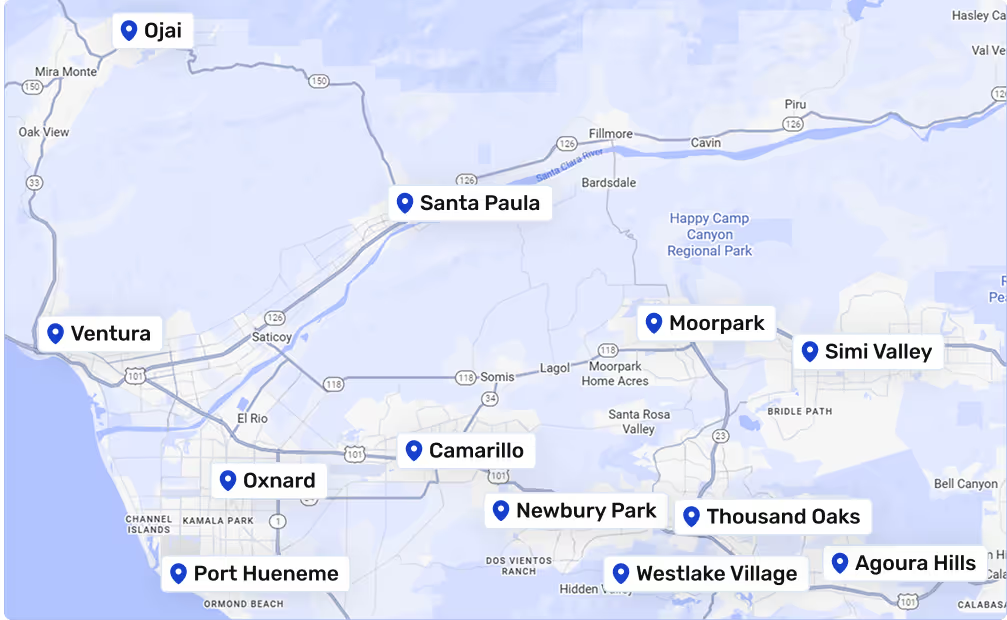


Water Heater Installation in Calabasas, CA
.avif)

Installing a new water heater is a major home upgrade that affects comfort, safety, and energy use. For homeowners in Calabasas, CA, the right installation balances household hot water needs, local building codes, and regional factors like Mediterranean climate and moderately hard water. Complete water heater installation process—assessment and sizing, fuel and efficiency choices, permitting and code compliance, step-by-step installation, timeline for install day, warranty details, and maintenance guidance—so you know exactly what to expect.
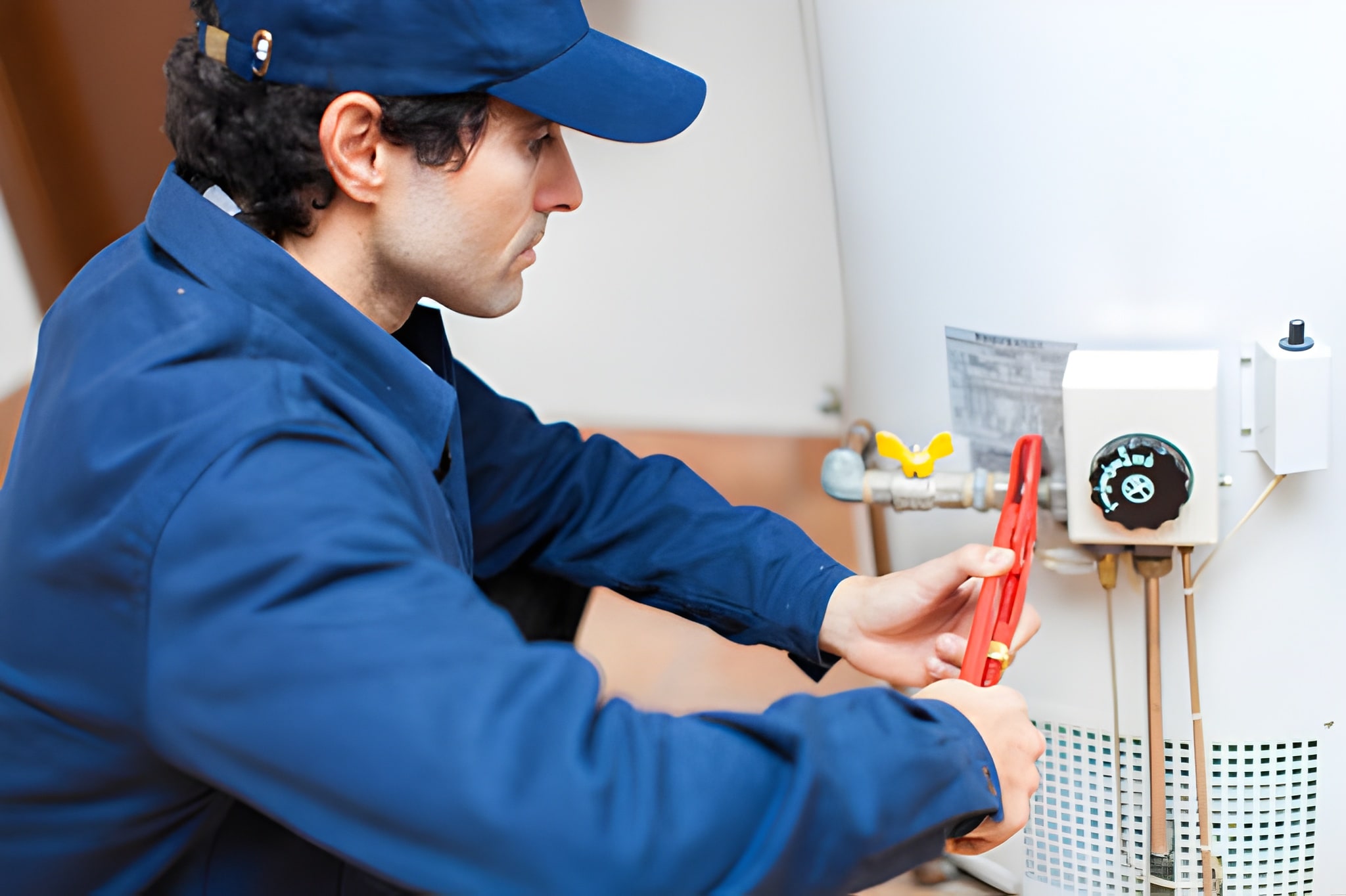
Common water heater needs in Calabasas, CA
- Replacement of an old or failing tank unit
- Upgrade to a tankless (on-demand) system for continuous hot water
- Right-sizing for growing households or added bathrooms
- Fuel-type conversions (electric to gas or vice versa)
- Efficiency upgrades to reduce utility bills
- Seismic strapping and code-related retrofits for earthquake safety
- Integration with home water treatment to address mineral buildup
Assessment and sizing: tank vs tankless
A proper installation begins with an on-site assessment and load calculation. Key factors include household size, number of simultaneous hot water uses, existing fuel type, and installation location.
- Tank water heaters: sized by tank volume (30 to 80+ gallons). Best for homes with high simultaneous demand or where retrofit complexity is a concern. Lower upfront cost but higher standby energy loss.
- Tankless water heaters: sized by flow rate (gallons per minute) and required temperature rise. Excellent for on-demand hot water, smaller footprint, and higher efficiency. May require upgraded gas supply, venting, or electrical work for Calabasas homes.
- Heat pump / hybrid units: very efficient in mild climates like Calabasas, but need adequate space and slightly different maintenance.
- Professional sizing prevents undersized systems that produce cold spikes or oversized systems that waste capital.
Energy-efficiency and fuel-type options
Choose the fuel and technology that match your home and goals.
- Natural gas: common in many Calabasas neighborhoods; provides strong recovery rates for tank units and high flow for tankless systems.
- Electric: simpler installs where gas is unavailable. Heat pump water heaters are an efficient electric option.
- Propane: used in areas without natural gas service.
- Solar-ready systems: combine with solar thermal or photovoltaic setups for further energy reductions.
- Look for high UEF (Uniform Energy Factor) or ENERGY STAR ratings on new units to maximize savings and qualify for regional incentives.
Permits and code compliance
Local permits and inspections are essential. Calabasas and Los Angeles County require permits for water heater replacements and especially for changes to fuel type, venting, or gas line capacity. Typical code requirements include:
- Proper venting for combustion appliances
- Seismic strapping and secure mounting for tanks
- Installation of an expansion tank on closed domestic water systems
- Temperature and pressure relief valve and proper discharge routing
- Combustion air and clearances per manufacturer instructions
- Electrical permits for new circuits or breakers
Permits ensure safety and protect manufacturer warranties. Inspections usually occur after installation and may be scheduled through local building departments.
Site preparation and what to expect on install day
- Pre-install: clear access to the water heater area and remove any stored items. Ensure a safe path for the installers.
- Arrival window: crews typically arrive within a scheduled window and will protect floors and landscaping.
- Downtime: expect water service interruption for the duration of the work. Typical timelines:
- Tank replacement: 2 to 4 hours for like-for-like swaps
- Tankless or fuel-conversion installs: 4 to 8+ hours depending on venting and gas or electrical upgrades
- Heat pump installs: 4 to 6 hours
- Install day tasks: shutoff and drain the old unit, disconnect utilities, remove the old heater, set and secure the new unit, install venting, connect fuel and water lines, perform pressure and combustion tests, startup and temperature adjustment, leak checks, and final cleanup.
Step-by-step installation procedures
- Site evaluation and load calculation; confirm permits required.
- Obtain permits and order the selected model and materials.
- Turn off utilities, drain and disconnect the old water heater.
- Remove the old unit and prepare the pad or platform; install earthquake strapping if required.
- Set the new unit and connect cold and hot water lines, installation of dielectric unions if needed.
- Install required venting, combustion air, or electrical wiring for tankless/heat pump systems.
- Install expansion tank and temperature and pressure relief discharge piping.
- Perform gas pressure and combustion safety tests for gas units; energize electrical connections for electric units.
- Purge air, fill the system, check for leaks, and verify hot water delivery and thermostat settings.
- Final inspection coordination with local building department if required.
Warranty and manufacturer information
Warranties vary by technology and manufacturer. Typical ranges:
- Conventional tanks: limited warranties commonly 6 to 12 years on the tank depending on model
- Tankless units: longer warranties on the heat exchanger, often 10 to 15 years
- Heat pump hybrids: manufacturer warranties plus possible component-specific coverage
Warranty validity usually depends on proper installation, permitted work when required, and documented maintenance. Save installation records, permit documentation, and manufacturer registration information.
Maintenance after installation
Regular maintenance extends service life and preserves efficiency—especially important in Calabasas where moderately hard water can accelerate scale buildup.
- Tank units: flush annually or as recommended, inspect and replace the sacrificial anode rod every 3 to 5 years, test the T&P valve yearly.
- Tankless units: descale/calendar flush every 6 to 12 months if water hardness is high; otherwise every 1 to 2 years.
- Heat pump units: clean filters and inspect airflow pathways every 6 months.
- Keep thermostat set at 120 degrees Fahrenheit for safety and energy savings unless higher temperatures are required for specific needs.
- Consider whole house water softening or a point-of-use filter to reduce scale and maintenance frequency.
Why professional installation matters in Calabasas, CA
Proper installation balances safety, code compliance, and long-term reliability. Camarillo Plumbing brings decades of experience with residential and commercial installations in Ventura and Los Angeles counties. Professional installers ensure correct sizing, secure venting, permit processing, and documentation that protect warranties and home value while addressing local conditions such as seismic requirements and water quality.
Q: How long will a typical water heater replacement take in Calabasas, CA?A: A like-for-like tank replacement generally takes 2 to 4 hours; switching to tankless or performing gas or venting upgrades can take 4 to 8+ hours depending on complexity.
Q: Do I need a permit to replace my water heater in Calabasas?A: Permits are typically required for water heater replacements that involve fuel-type changes, venting modifications, or any new gas or electrical work. Local code inspections may be necessary.
Q: Which is better for Calabasas homes, tank or tankless?A: The best option depends on household hot water demand, existing fuel supply, available space, and budget. Tankless units offer on-demand savings and space benefits, while tanks often provide simpler, lower-cost replacements for high simultaneous demand households.
Q: How often should I flush or descale my new water heater?A: Tank units should be flushed annually; tankless units should be descaled every 6 to 24 months depending on water hardness and usage. Regular checks help avoid efficiency loss and premature failure.
hear what our satisfied clients have to say