


Water Softener in Ojai, CA
.avif)

Hard water is common in and around Ojai, CA. Calcium and magnesium minerals in local groundwater cause scale buildup on fixtures, reduced appliance efficiency, soap scum on dishes and laundry, and drier skin and hair. A properly selected and installed water softener protects plumbing and appliances, improves cleaning results, and reduces long-term repair and replacement costs for Ojai homes.
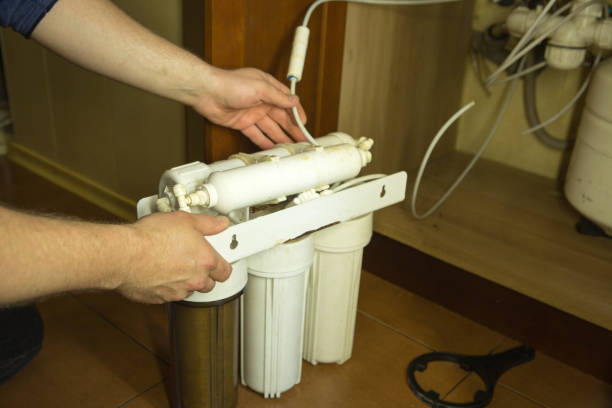
Camarillo Plumbing brings decades of experience serving Ventura County neighborhoods, offering full-service water softening solutions tailored to Ojai homes and well systems. Below is a clear, expert overview of options, the diagnostic and installation process, maintenance expectations, common repairs, and service plan choices to help you make a confident decision.
Common water softener services in Ojai, CA
- Whole-house water hardness testing and water quality analysis (hardness, iron, pH, TDS)
- System selection and correct sizing for household demand and flow rates
- Professional installation of salt-based, salt-free, or hybrid systems
- Programming and setup of regeneration cycles (demand-initiated regeneration)
- Routine maintenance: salt refills, brine tank cleaning, resin conditioning
- Repairs and troubleshooting: control valve, resin replacement, leak repair
- Service plans, warranty handling, and emergency response for system failures
Why treat hard water in Ojai homes
Hard water shortens the life of water-using appliances (water heaters, dishwashers, washing machines) by forming scale inside pipes and tanks. In Ojai’s Mediterranean climate, mineral buildup can reduce water heater efficiency and increase energy use. Softening improves:
- Appliance lifespan and energy efficiency
- Soap and detergent performance (less soap scum)
- Spot-free dishes and cleaner fixtures
- Softer skin and better hair feel after showering
- Easier plumbing maintenance and fewer clogs from scale
System options: salt-based vs salt-free
Salt-based ion-exchange systems
- How they work: Exchange calcium and magnesium for sodium (or potassium) on a resin bed, then regenerate using a brine solution.
- Strengths: Reliable removal of hardness, excellent for scale prevention, well-suited for high-hardness levels and homes with water heaters or boilers.
- Considerations: Require periodic salt refills and occasional resin maintenance. A small amount of sodium is added; potassium is an alternative for sodium-sensitive households.
Salt-free systems (TAC, template-assisted crystallization, and others)
- How they work: Condition minerals to prevent adhesion and scale, rather than removing them chemically.
- Strengths: Low maintenance, no salt required, good for mild to moderate hardness and customers who prefer no added sodium.
- Considerations: Do not actually remove hardness minerals; effectiveness varies with water chemistry and may be less suitable for high hardness or heavy iron content.
Hybrid and pretreatment approaches
- For Ojai well water with iron or sediment, a combined approach (sediment filter + iron filter + softener) often gives the best results.
- Reverse osmosis (RO) is recommended at the point of use (kitchen) for drinking water to remove residual sodium and other contaminants.
Water testing and correct sizing
Accurate testing is the foundation of a reliable system. Technicians measure:
- Hardness (grains per gallon), iron, manganese, pH, and total dissolved solids
- Household peak flow rate and daily water usage to determine tank size and resin volumeCorrect sizing avoids frequent regenerations (wasting salt) or undersized systems that leave you with hard water during peak use. Many Ojai properties are on private wells or varied municipal sources; testing on-site is essential before recommending a system.
Professional installation and regeneration cycles
Installation steps typically include:
- On-site water testing and verification
- Placement of softener and any required pre-filters
- Plumbing connections with bypass valves and mounting of control head
- Programming regeneration cycles and verifying water pressure/flowModern units use demand-initiated regeneration (DIR) that triggers only when capacity is reached, saving salt and water. Time-clock systems still exist but are less efficient. Camarillo Plumbing technicians set regeneration parameters based on your household profile.
Routine maintenance you should expect
- Check salt level monthly; refill with quality salt before levels drop low
- Inspect for salt bridging (a crust that prevents proper brine formation) and break it up if present
- Clean brine tank every 1–3 years depending on salt type and usage
- Replace or clean pre-filters according to manufacturer guidance (often every 3–12 months)
- Resin typically lasts 10–15 years; fouling from iron or chlorine can reduce life and may require resin cleaning or replacement sooner
- Annual service inspections keep the control valve and seals operating properly
Common repairs and troubleshooting
- Salt bridge or mushy salt: Break up and clean the tank; use recommended salt types
- No regeneration: Check control head, timer, or power supply; verify incoming water pressure
- Reduced softening performance: Check for exhausted or fouled resin (iron can coat resin), verify correct regeneration settings
- Leaks or bypass problems: Inspect plumbing connections and valves
- Low water pressure: Often caused by clogged pre-filters or a partially closed bypass valveTechnicians can diagnose calls quickly using on-site tests and manufacturer tools.
Warranty, financing, service plans, and emergency support
Most softener manufacturers offer warranties on tanks, control valves, and resin. Extended service plans commonly cover annual inspections, priority scheduling, parts and labor for key components, and scheduled salt delivery. Flexible financing options are often available for larger system upgrades to spread cost over time. Emergency support covers issues like major leaks, total system failure, or overflow to protect your home from water damage; many local providers offer after-hours response for urgent problems.
Maintenance tips for Ojai homeowners
- Schedule a professional water test before choosing a system, especially if you have a well
- Use high-purity salt to reduce tank sludge and bridging
- Consider a sediment and iron pre-filter if your test shows iron or heavy particulates
- Keep documentation of service and warranty information for future maintenance and claims
- For drinking water, pair a softener with point-of-use RO for best taste and mineral control
FAQsQ: How do I know if I need a water softener?A: Look for scale on faucets and fixtures, reduced lather from soap, spotty dishes, frequent appliance repairs, or a home water test showing hardness above 7–10 grains per gallon.
Q: Will a softener remove iron and other contaminants?A: Standard ion-exchange softeners reduce hardness minerals but are not designed to remove all iron, bacteria, or chemical contaminants. Iron filters or additional pretreatment may be required for well water with significant iron content.
Q: How often will I need to add salt?A: Salt use depends on household size, water hardness, and system settings; typical households refill salt every 1–3 months. Demand-initiated systems use salt more efficiently.
Q: Do salt-free systems remove hardness?A: No. Salt-free systems condition minerals to prevent scale buildup but do not remove calcium and magnesium ions from the water.
Q: How long does the resin last?A: Resin life is typically 10–15 years under normal conditions; iron, chlorine, and bacterial fouling can shorten that lifespan.
Q: Will softened water harm my lawn or garden?A: Softened water with sodium may affect very salt-sensitive plants when used for irrigation. Potassium chloride as a regeneration option reduces sodium output. For irrigation, consider a bypass or separate untreated supply.
Camarillo Plumbing has the local experience to recommend the right water softening solution for Ojai homes, handle professional installation, and provide reliable maintenance so your system performs efficiently year after year.
hear what our satisfied clients have to say