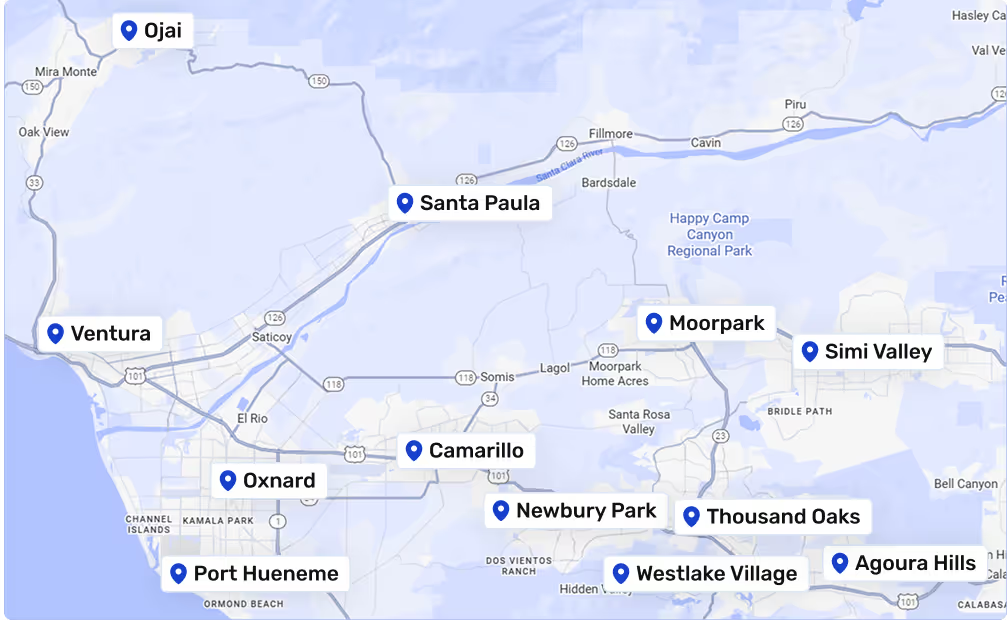


Water Filtration Systems in Agoura Hills, CA
.avif)

Clean, reliable water is essential for drinking, cooking, bathing, and protecting appliances. In Agoura Hills, CA, homeowners face regional water issues—municipal chlorination, seasonal sediment from runoff and the Santa Monica Mountains, and occasional wildfire ash and odor concerns—that make effective water filtration a smart investment. Camarillo Plumbing helps homeowners choose between whole-home systems and point-of-use options, explains technologies like reverse osmosis, and delivers professional testing, installation, and ongoing care so your water performs the way you expect.
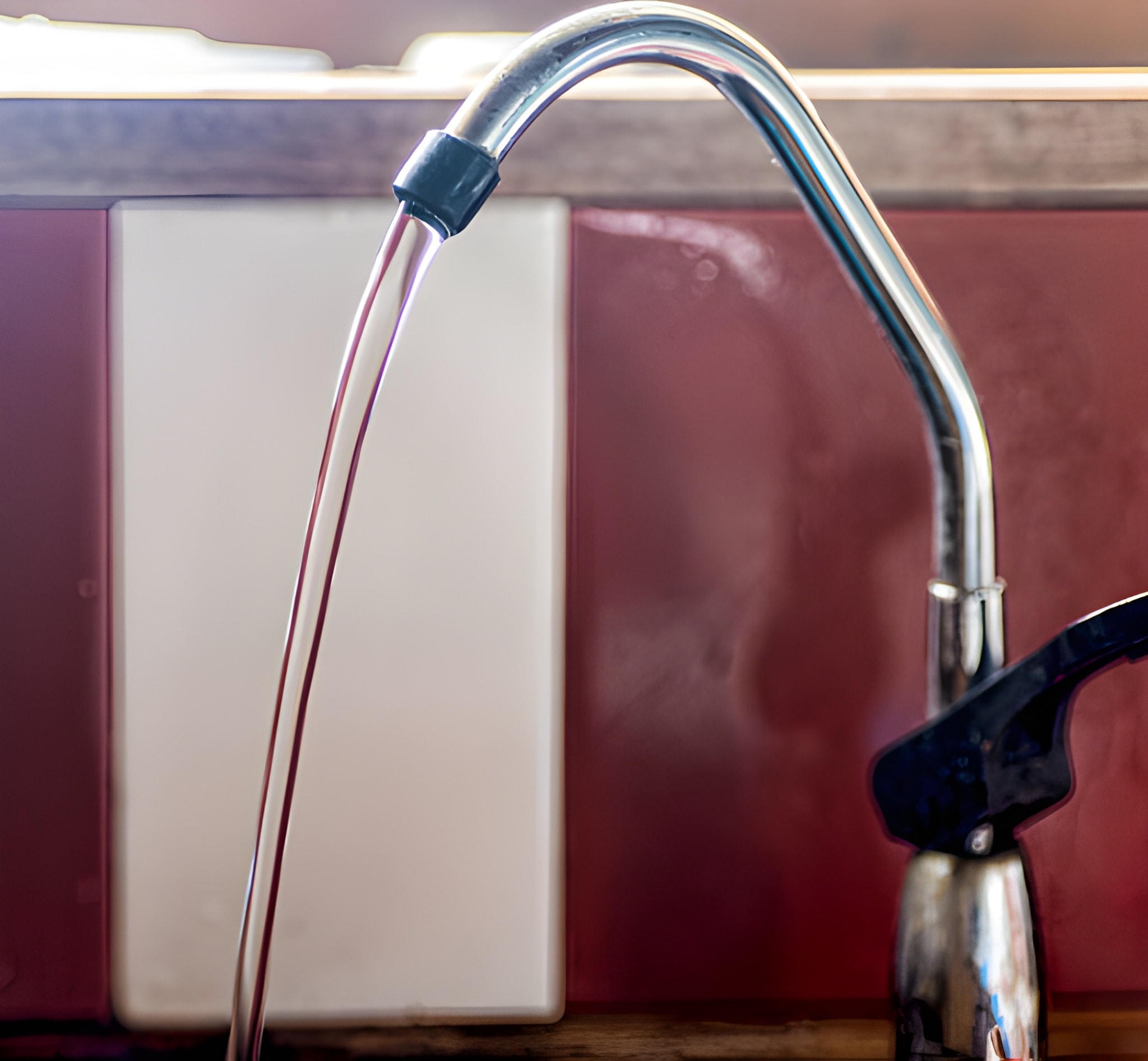
Common water problems in Agoura Hills homes
- Chlorine and chloramine taste or odor from municipal treatment.
- Fine sediment or sand after heavy rains and storm runoff.
- Hardness and mineral scaling that shortens appliance life.
- Discolored water from aging pipes or local distribution disturbances.
- Occasional biological concerns or bacterial growth in private wells.
- Wildfire-related ash and organic taste/odor after nearby events.
Understanding which of these affect your home is the first step to selecting the right filtration solution.
Water filtration options and what they remove
- Whole-home (point-of-entry) filtration
- Installed at the main water line to treat all incoming water.
- Typical media: sediment pre-filters, catalytic activated carbon for chlorine and organics, and specialty media for chloramine reduction.
- Benefits: protects plumbing and appliances, consistent water quality for showers, laundry, and faucets.
- Point-of-use (under-sink) and countertop filters
- Treat water at a single tap (kitchen sink is most common).
- Options include carbon filters, ceramic filters, and compact RO systems.
- Benefits: uncomplicated installation, excellent for drinking and cooking water.
- Reverse osmosis (RO)
- Multi-stage purification that removes dissolved solids, lead, fluoride, nitrates, and many other contaminants.
- Best for drinking water; typically paired with a dedicated faucet and storage tank.
- Note: RO wastes a small amount of water and may need remineralization for taste.
- Ultraviolet (UV) disinfection
- Effective at inactivating bacteria and viruses; used where biological contamination is a concern.
- Usually combined with pre-filtration to remove particles before UV exposure.
- Combination systems
- Many installs combine sediment pre-filters, carbon media, RO, and UV to meet specific site needs.
How we determine the right system (water testing and site assessment)
- Step 1: In-home consultation and intake
- Review municipal vs well water source, household water use, and concerns (taste, smell, staining, appliances).
- Step 2: On-site testing and sample collection
- Measure total dissolved solids (TDS), hardness, chlorine/chloramine, pH, and visible sediment.
- If needed, send samples for lab testing for lead, nitrates, and bacteria (results in a few days).
- Step 3: System recommendation
- Match filtration technologies to contaminants, flow requirements, space constraints, and budget.
- Typical assessment time: 60 to 90 minutes for inspection and basic on-site testing; lab results may add 3–7 days.
Professional installation steps and timelines
- Pre-install planning
- Confirm pipe material, available space, and water pressure. Identify bypass and shutoff needs.
- Installation day
- Whole-home system: install mounting hardware, connect to main line with bypass valve, install pre- and post-filters, flush and pressure-test. Typical duration: 3 to 6 hours for standard single-family homes.
- Under-sink RO or point-of-use: install tank, membrane, faucet and drain saddle; flush and test. Typical duration: 1 to 2 hours.
- UV installations: mount lamp, connect to plumbing, and verify lamp operation. Add 1–2 hours.
- Commissioning and walkthrough
- Verify flow rates, demonstrate bypass operation, and document filter model and replacement intervals.
Routine maintenance and filter replacement schedules
- Sediment pre-filters: replace every 6 to 12 months depending on sediment levels.
- Carbon block filters: replace every 6 to 12 months for drinking water; more frequently if taste or odor returns.
- Reverse osmosis membranes: replace every 2 to 5 years depending on feed water quality and use.
- UV lamps: replace annually and clean quartz sleeve as recommended.
- Whole-home media tanks: catalytic carbon or specialty media can last 3 to 10 years depending on contaminant load.
- Annual professional inspection is recommended to verify seals, pressure, storage tank condition, and system performance.
Cost estimates, warranty, and financing
- Typical installed cost ranges (for guidance)
- Point-of-use carbon filter: $300 to $900
- Under-sink reverse osmosis: $600 to $1,500
- Whole-home filtration (standard sediment + carbon): $1,200 to $3,500
- Whole-home systems with advanced media or softening components: $2,500 to $6,000+
- UV disinfection add-on: $400 to $1,200
- Warranties
- Manufacturer warranties commonly range from 1 to 10 years on tanks and housings; consumables (filters, membranes, UV lamps) have shorter coverage.
- Professional installation typically affects warranty validity—registered installation by a licensed plumber helps preserve manufacturer coverage.
- Financing
- Many homeowners use payment plans or third-party financing to spread installation cost. Financing terms vary by provider and are subject to credit approval.
Why acting now makes sense for Agoura Hills homeowners
- Improved taste and odor for kitchen water and better-smelling showers.
- Reduced sediment and mineral buildup that extends life of water heaters, dishwashers, and washing machines—especially important in homes that experience seasonal runoff.
- Peace of mind after wildfire events or heavy rains when ash and particulates can affect local water.
- Lower ongoing expense compared with bottled water and fewer appliance repairs over time.
FAQs
Q: How do I know whether I need a whole-home system or just an under-sink filter?A: If you want filtered water for every faucet, showers, and appliances, a whole-home system is best. If your main concern is drinking and cooking water, a point-of-use under-sink or RO system may be sufficient.
Q: Will reverse osmosis remove chlorine and improve taste?A: Yes. RO combined with carbon pre- and post-filters removes chlorine, many dissolved solids, and improves taste and odor.
Q: How long before I see results after installation?A: You should notice improved taste and reduced odors immediately after flushing the system. Full removal of residual odors and total system stabilization can take 24 to 48 hours.
Q: Can filtration protect my water heater and appliances from scale?A: A sediment and carbon system reduces particulate buildup, and for mineral scaling you may need a water softener or a scale-reduction device in addition to filtration.
Q: How often should I have the system professionally inspected?A: An annual inspection is recommended to check filters, seals, pressure, and performance. High sediment conditions may require more frequent service.
Q: Are there specific concerns in Agoura Hills related to wildfires or runoff?A: Yes. Wildfire ash and storm runoff can introduce organics, ash, and increased sediment. Targeted filtration (sediment + carbon) and prompt water testing after events are recommended.
Camarillo Plumbing uses field testing and lab analysis to match systems to your home and local conditions so you get reliable, long-term results.
hear what our satisfied clients have to say