

Reverse Osmosis in Oak Park, CA
.avif)

Reverse osmosis (RO) systems deliver reliable, great-tasting drinking water by removing a broad range of contaminants that affect Oak Park homes. For families focused on water quality, RO is a decision-stage solution that addresses common concerns like chlorine taste, visible sediment, heavy metals, and high total dissolved solids (TDS). Camarillo Plumbing brings decades of residential plumbing experience to RO selection, installation, and ongoing care for homeowners in Oak Park and nearby communities.
How RO works and what it removes
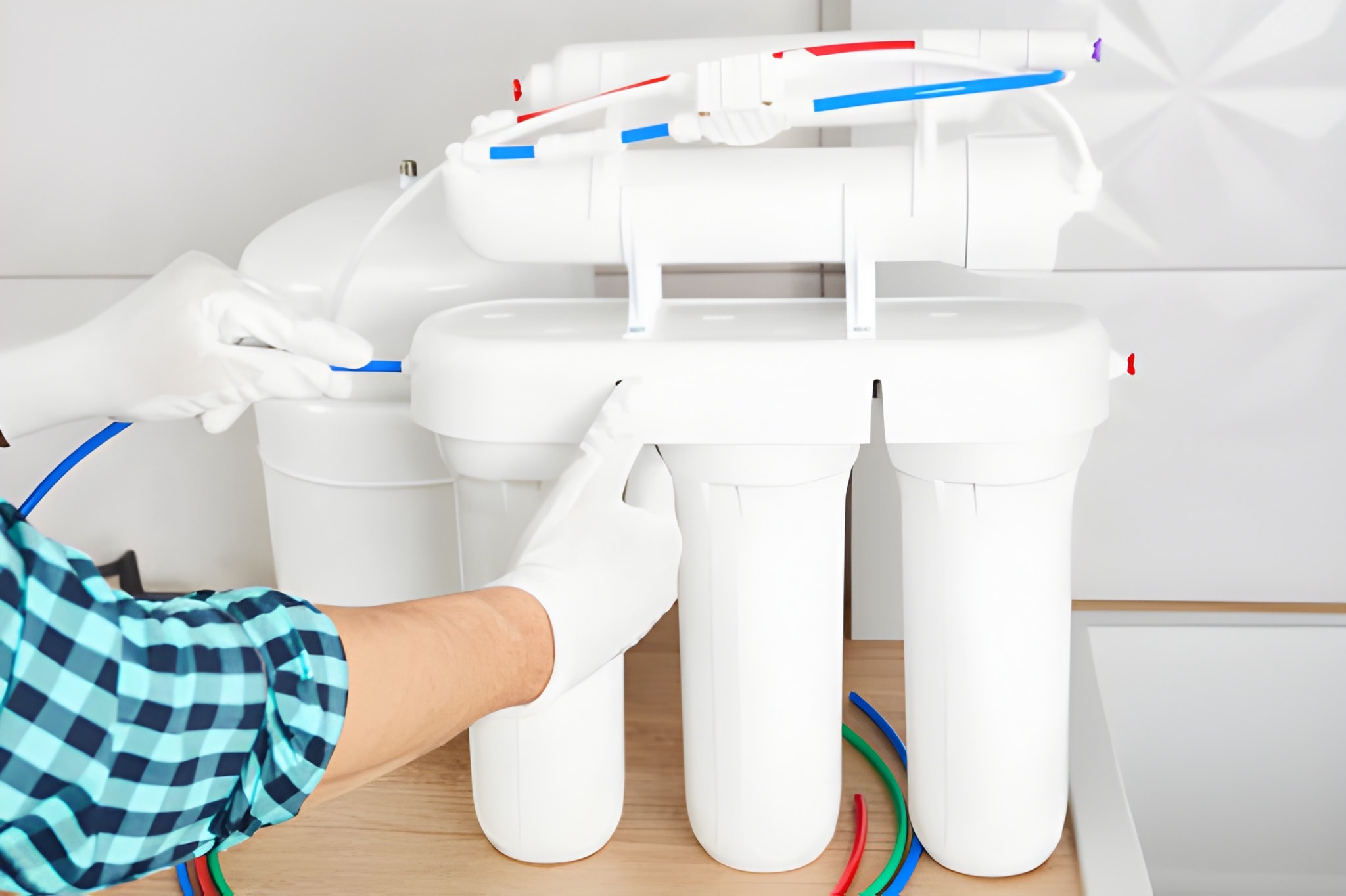
Reverse osmosis uses a semipermeable membrane plus pre- and post-filters to separate impurities from water. Under pressure, water passes through the membrane and most dissolved solids are blocked and flushed to drain. Typical contaminants reduced by RO include:
- Sediment and particulates
- Chlorine and chloramines (when preceded by carbon filtration)
- Lead, arsenic, and other heavy metals
- Nitrates and nitrites
- High TDS that cause poor taste and mineral aftertaste
RO also improves water clarity and odor, making it ideal for drinking, cooking, and preparing baby formula.
Common RO system types for Oak Park homes
- Under-sink point-of-use (POU) units: Compact systems installed below a kitchen sink; they supply a dedicated faucet with highly filtered water. Best when you want targeted, high-quality drinking water without changing the whole-house plumbing.
- Multi-stage RO systems: Combine several filter stages—sediment, carbon, RO membrane, and post-carbon or remineralization—to maximize contaminant removal and flavor.
- Tankless RO and boosted systems: Tankless designs save space and reduce stagnation. Systems with a booster pump are recommended when household water pressure is low.
- Whole-house RO (rare): Feasible in some situations but typically expensive and requires larger plumbing and waste handling. Most Oak Park homeowners prefer POU RO with whole-house pre-treatment for hardness or sediment.
Site requirements and typical installation steps
RO installation is a straightforward plumbing project when preconditions are met. Key site considerations:
- Under-sink space: Clearance for the filter assembly, storage tank (if used), and faucet. Compact or tankless options are available where space is limited.
- Water pressure: RO membranes perform best above about 40 psi. If pressure is lower, a booster pump may be recommended.
- Drain access: The system needs a drain connection for reject water. Proper routing prevents backups and odors.
- Cold water supply line access: The RO line taps into the cold-water plumbing for feed water.
Typical installation process:
- Water quality assessment and system selection based on source water.
- Pre-installation adjustments such as adding a sediment filter or softener when needed.
- Mounting the RO components, connecting feed and drain lines, and installing the dedicated faucet.
- Sanitation and initial flushing of the system to remove manufacturing residues.
- Final testing, including TDS checks, to confirm performance.
Camarillo Plumbing technicians evaluate these factors and recommend the right configuration for Oak Park properties.
Pre- and post-filtration considerations
- Pre-filtration: A coarse sediment filter and activated carbon are commonly installed ahead of the RO membrane to protect it from clogging and chlorine damage. In areas with hard water, a water softener or whole-home sediment treatment prevents premature membrane wear.
- Post-filtration: A final activated carbon polish or remineralization cartridge can improve taste and return beneficial minerals lost during RO. UV disinfection may be added if microbiological contamination is of concern.
Routine maintenance and service expectations
Maintenance keeps performance steady and extends membrane life:
- Sediment and carbon filters: Replace every 6 to 12 months depending on feed water quality and household usage.
- RO membrane: Replace every 2 to 5 years depending on TDS levels and pre-filtration quality.
- Post-filters and remineralizers: Typically replaced annually.
- Tanks and fittings: Sanitize and inspect annually for leaks; check storage tanks for adequate pressure if applicable.
- Performance monitoring: A simple TDS meter will show if the membrane is failing (rising TDS in product water). Reduced flow from the faucet or unusual taste also signals service needs.
Camarillo Plumbing offers scheduled maintenance plans that include filter replacement schedules and performance checks to maintain consistent water quality.
Water testing and quality assurance
Start with a baseline water test to measure TDS, pH, chlorine, hardness, nitrates, and any local contaminants of concern. After installation, a post-installation test or TDS reading should confirm reduction targets. Regular annual testing confirms ongoing performance and informs optimal replacement intervals.
Warranty and service plans
RO systems typically come with manufacturer warranties covering parts and membrane defects for a stated period. Common service plan components include:
- Annual inspections and system sanitation
- Scheduled filter and membrane replacement on a subscription basis
- Priority service and repair labor coverage for mechanical failures
- Performance testing and documentation following maintenance visits
Ask about the specific warranty terms for parts and workmanship and whether service plans cover both parts and labor for replacements.
Why reverse osmosis is a good choice in Oak Park
Oak Park homeowners often face flavor issues from chlorine, elevated TDS that affect taste, and occasional concerns about trace contaminants. RO delivers a reliable level of purification at the kitchen point of use, producing water that tastes better and is safer for sensitive uses like infant formula and cooking. Pairing RO with appropriate pre-treatment creates a balanced solution that protects the membrane and improves overall household water quality.
Practical tips for Oak Park homeowners
- Test your water before choosing a system to match filters and membrane type to actual issues.
- If your household has well water or very hard municipal water, install a whole-house pre-filter or softener ahead of the RO.
- Keep a simple TDS meter on hand to monitor membrane performance between service visits.
- Follow manufacturer and service plan schedules for filter and membrane replacement to avoid degraded performance.
FAQs
Q: How much maintenance does an RO system need?A: Routine maintenance includes replacing sediment and carbon pre-filters every 6 to 12 months and the RO membrane every 2 to 5 years, with an annual inspection and sanitation recommended.
Q: Will RO remove chlorine and improve taste?A: Yes. When paired with carbon pre-filters and a post-carbon polish, RO removes chlorine and many taste-causing compounds to deliver noticeably better drinking water.
Q: Can RO handle low water pressure in Oak Park homes?A: RO membranes require adequate pressure; if household pressure is low, a booster pump or pressure-equalizing system can be installed to ensure proper performance.
Q: Do RO systems waste water?A: RO systems produce reject water as part of the filtration process. Modern systems and permeability improvements, plus permeate pumps and high-efficiency designs, reduce waste compared to older models.
Q: Is RO safe for regular drinking water since it removes minerals?A: RO removes dissolved minerals, which improves taste and safety in areas with high TDS. A remineralization stage or balanced diet provides necessary minerals; remineralizers can be added if preferred.
Q: How do I know when the membrane needs replacing?A: A rising TDS reading in the filtered water, weakened flow, or a persistent off taste indicates the membrane or filters need service.
Q: Can I install RO if I already have a water softener?A: Yes. A water softener ahead of the RO can reduce scaling and extend membrane life. System design should account for both units to optimize performance.
Q: What testing is done after installation to confirm water quality?A: Typical post-installation checks include TDS readings, a pressure test, and visual inspection for leaks. More comprehensive lab tests can measure specific contaminants if required.
hear what our satisfied clients have to say