
Trenchless Sewer Repair in Woodland Hills, CA
.avif)

Trenchless sewer repair is a minimally invasive alternative to traditional excavation that fixes damaged sewer lines with little disturbance to your property. In Woodland Hills homes, where mature landscaping, narrow side yards, and older sewer systems are common, trenchless solutions provide a faster, cleaner path to restoring reliable sewer service. Explains how trenchless works, why it is often the preferred option in Woodland Hills, what to expect in terms of process and costs, and practical maintenance and warranty guidance from Camarillo Plumbing.
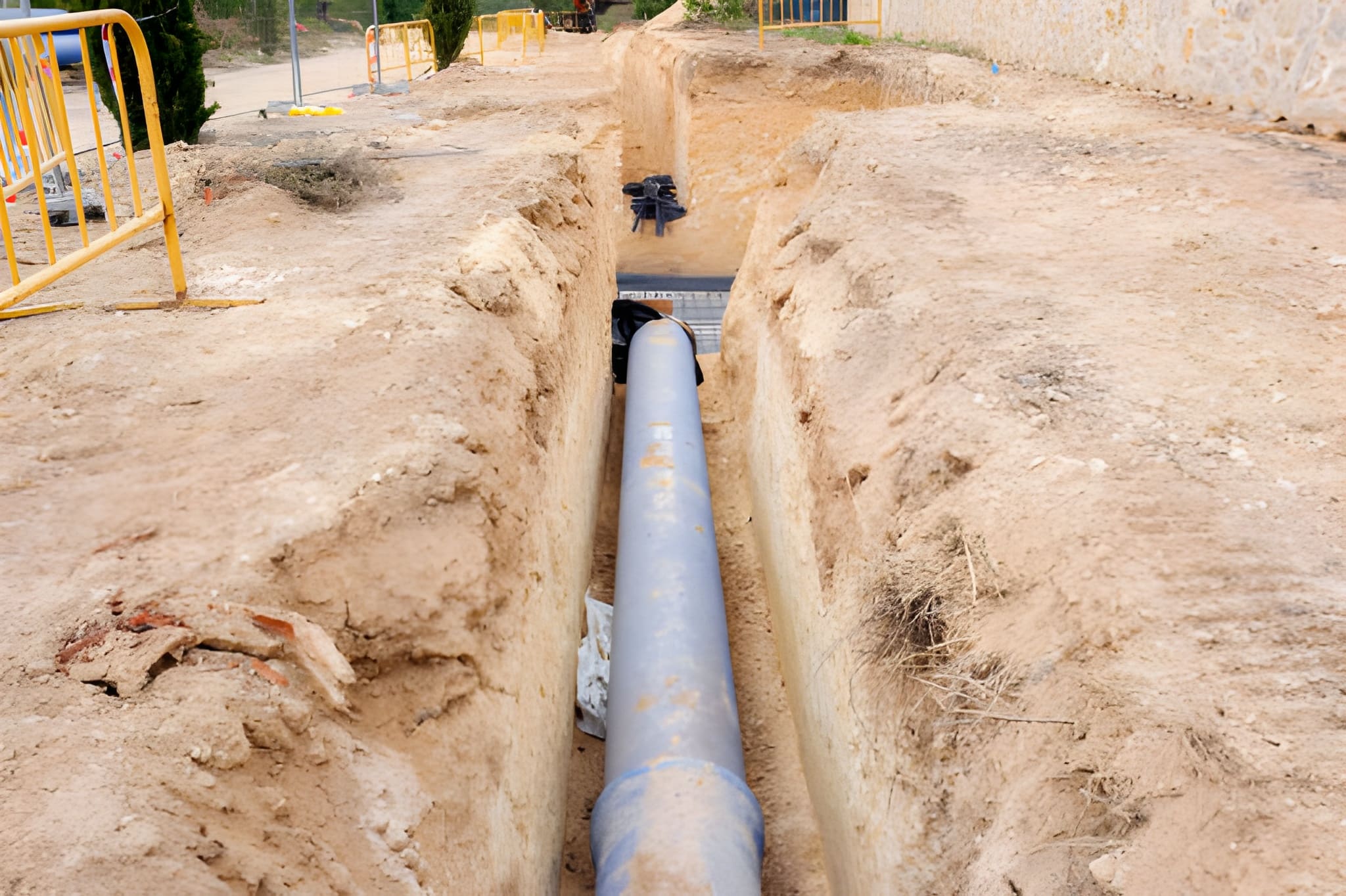
Why choose trenchless sewer repair in Woodland Hills, CA
Woodland Hills combines older residential neighborhoods, abundant mature trees, and soil conditions that can accelerate pipe damage. Trenchless sewer repair offers key advantages for local homeowners:
- Minimal disruption to lawns, patios, driveways, and mature trees.
- Faster completion times, often within a single day for typical repairs.
- Reduced risk of landscape restoration costs and prolonged construction presence.
- Environmentally friendlier approach by reducing heavy-equipment use and spoils removal.
Common sewer problems we see in Woodland Hills homes
Understanding common causes helps explain why trenchless is a good fit for the area:
- Root intrusion from ficus and other mature trees common in the Valley.
- Corrosion and cracks in older clay, cast-iron, or terra cotta lines.
- Offset joints and bellies due to ground movement and seismic settling.
- Grease and debris buildup in older sewer mains that reduces flow capacity.
- Localized collapses or joint separations that cause recurrent backups.
Trenchless repair methods and when each is used
Different trenchless techniques address different failure types. The typical options include:
- Cured-in-Place Pipe (CIPP) lining: A resin-saturated liner inserted and cured in place to create a new pipe within the old one. Best for continuous cracks, corrosion, and leaks when the existing host pipe is intact enough to support a liner.
- Pipe bursting: The old pipe is fractured while a new pipe is pulled through the same alignment. Used when replacement diameter or severe collapse is required.
- Slip lining: A smaller-diameter pipe is inserted into the existing pipe. Appropriate for longer sections with moderate deterioration where reduction in diameter is acceptable.
- Spot trenchless repairs: Localized access pits and short-liner patches to fix discrete defects without full-line work.
Typical workflow: what to expect
- Sewer camera inspection and diagnosis: A video inspection pinpoints damage, measures pipe condition, and determines the best trenchless method. This step produces a recorded report and images.
- Method selection and permit review: Based on inspection, the appropriate trenchless technique is chosen and any local permit requirements are reviewed.
- Site preparation: Small access holes or cleanout access points are prepared. In most cases, there is no continuous trench.
- Execution: Lining or pipe bursting is performed. For CIPP, the liner is inserted, inflated, and cured with steam or UV light. Many jobs are completed in hours; typical residential jobs are finished the same day.
- Final inspection and cleanup: A follow-up camera run confirms repair quality. Small access pits are restored to pre-repair condition.
Cost and financing considerations
Costs for trenchless sewer repair in Woodland Hills vary by:
- Linear footage and pipe diameter
- Depth and ease of access to entry points
- Chosen trenchless method (lining, bursting, or spot repair)
- Extent of pre-repair cleaning or hydro jetting required
- Local permitting and inspection fees
While trenchless methods often have a higher per-foot material cost than basic excavation in easy-access areas, overall project costs are commonly lower once landscape restoration, driveway repair, and extended labor are included. Financing and payment options are commonly available through third-party plans or in-house arrangements; estimates should outline payment options and terms where applicable.
Environmental and convenience advantages
Trenchless sewer repair reduces soil displacement, heavy-equipment traffic, and truckloads of excavated material. That yields lower fuel use and quicker site recovery. For homeowners, trenchless means:
- Less time without full property access
- No large trenches running across yards or under patios
- Preservation of established landscaping and irrigation systems
Warranty and maintenance recommendations
Camarillo Plumbing supports trenchless work with standard manufacturer and workmanship warranties appropriate to the method used. Typical guidelines include:
- Warranty durations vary by material and method; request details on liner material and curing validation.
- Schedule a camera inspection every 3 to 5 years, or sooner if you notice backups or slow drains.
- Preventive maintenance: avoid flushing wet wipes and grease, use root control treatments if roots are a recurring issue, and maintain clear access to cleanouts.
- Keep records of the camera inspection video and repair documentation; these help if future issues arise or when selling a property.
What to expect from an estimate
A professional trenchless estimate should include:
- A written scope based on camera inspection findings, showing damaged sections and recommended method.
- Line-item costs for cleaning, lining or replacement, access work, permits, and inspections.
- Project timeline with estimated start and completion dates and any expected service interruptions.
- Warranty terms and post-repair inspection plan.
- Restoration plan for small access points and any temporary landscaping measures.
Compare estimates by the clarity of the scope, choice of method, documented inspection findings, warranty length, and proposed timeline.
FAQs
Q: Is trenchless sewer repair always possible?A: Not always. Trenchless is ideal when the existing alignment is continuous and accessible or when minimizing landscape damage is a priority. Complete collapses, extreme misalignment, or certain utility conflicts may require traditional excavation or a combined approach.
Q: How long will a trenchless repair last?A: Properly installed CIPP liners and new pipes installed with pipe bursting can last 30 to 50 years or longer, depending on soil conditions, load stresses, and maintenance practices.
Q: Will my landscaping be damaged?A: Trenchless dramatically reduces landscaping impact. Most jobs require only small access pits for entry and exit. Mature trees and lawns are typically preserved compared with full-trench excavation.
Q: Do trenchless repairs require permits in Woodland Hills?A: Many trenchless projects require permits and inspections. A thorough estimate will identify required permits and include them in the scope so there are no surprises.
Q: How quickly can the sewer be used after a repair?A: For most CIPP jobs, the pipe is available for use within hours after curing is complete. Pipe bursting and slip lining may also allow quick return to service. Your repair report will specify any waiting period.
Q: What maintenance prevents repeat problems?A: Regular camera inspections, root management, avoiding flushing non-dissolving items, and addressing grease buildup with proper disposal habits are key to long-term performance.
Camarillo Plumbing provides experienced trenchless solutions tailored to Woodland Hills property conditions, combining modern repair methods with clear documentation, warranty coverage, and maintenance advice to protect your home and landscaping.
hear what our satisfied clients have to say