
Trenchless Sewer Repair in Port Hueneme, CA
.avif)

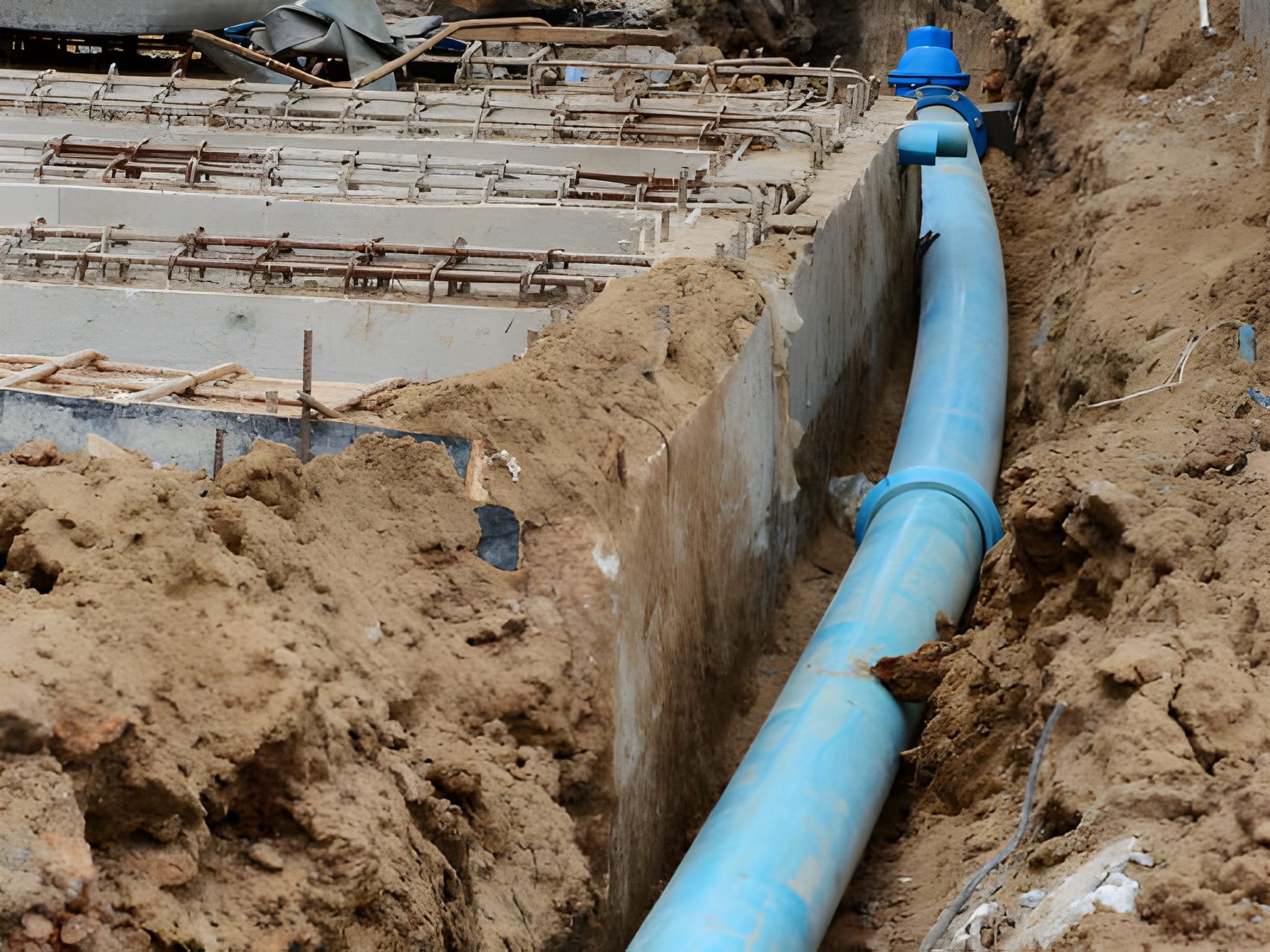
Trenchless sewer repair in Port Hueneme, CA offers a modern, minimally invasive solution for damaged sewer lines that preserves landscaping, shortens project timelines, and reduces overall disruption. Coastal properties in Port Hueneme face unique stresses on underground piping: sandy soils, salt air corrosion, shifting sands, and frequent root intrusion from palms and ornamental trees. Trenchless methods such as pipe lining and cured-in-place pipe (CIPP) are well suited to these conditions when a full excavation is not necessary.
Why trenchless matters for Port Hueneme homes
- Coastal soil movement and higher water tables increase the risk of pipe offset, bellies, and root intrusion.
- Many local properties have older clay, cast iron, or vitrified clay lines that fail from joint separation or corrosion rather than a single catastrophic break.
- Preserving front yards, driveways, and mature landscaping is especially important in Port Hueneme neighborhoods and HOA communities.
Camarillo Plumbing brings decades of residential and commercial experience to trenchless projects, combining video diagnostics with lining technologies designed to restore flow and pipe integrity without large excavations.
Common trenchless sewer repair issues in Port Hueneme
- Root intrusion from trees and shrubs causing repeated clogs and cracks
- Corroded cast iron or galvanized pipes failing from salt air and moisture
- Offset joints and bellies caused by settling or ground movement
- Infiltration and exfiltration at jointed pipe systems leading to contamination or washouts
- Small to moderate longitudinal cracks, fractures, and corrosion where the pipe still retains structural continuity
Typical diagnostic process
- Initial assessment of symptoms: backups, slow drains, or localized sinkholes.
- Sewer camera inspection to locate damage, measure severity, and determine pipe material and configuration.
- Locating the pipe run and access points using electronic locators to minimize surface disturbance.
- Pre-repair cleaning, commonly hydro-jetting, to remove roots, grease, and debris so the lining can bond correctly.
- Final evaluation to determine whether trenchless repair (lining/CIPP) or full replacement is the appropriate solution.
Trenchless methods explained
- Lining (Pipe Liner): A flexible liner saturated with epoxy resin is inverted or pulled into the damaged pipe. Once positioned, the resin cures to form a seamless, jointless new pipe inside the old one. Lining restores hydraulic capacity and prevents leaks at joints.
- Cured-In-Place Pipe (CIPP): A common lining method; cure can be achieved with hot water, steam, or UV light depending on the resin system. CIPP provides a structural renewal that resists root intrusion and corrosion.
- Spot repair and pipe bursting are related trenchless techniques. Spot repairs address localized defects; pipe bursting replaces an entire pipe by fracturing the old pipe while pulling in a new one in its place. Suitability depends on the degree of collapse and access.
Expected timeline and disruption
- Many trenchless repairs in typical residential runs are completed within a day. Simpler spot repairs can take only a few hours.
- Larger or more complex installations may require multiple days if multiple access points or extensive cleaning are needed.
- The process eliminates large trenches, avoiding weeks of landscaping and paving restoration. Typical surface impact is limited to small pits for access and temporary equipment staging.
Cost and environmental advantages
- Reduced landscaping and hardscape restoration lowers indirect costs compared to open-trench replacement.
- Shorter project duration reduces labor hours and equipment time.
- Less soil excavation means reduced disposal needs and lower overall environmental impact.
- Preserving mature plants and trees avoids ecological and aesthetic loss in coastal neighborhoods.
Suitability criteria
Trenchless repair is a good option when:
- The pipe retains enough structural integrity to support a liner.
- The run is continuous without severe collapsed sections or large offsets.
- Access points can be established at reasonable locations (cleanouts, manholes, or small excavations).Not suitable when:
- Pipes are completely crushed or collapsed along long runs.
- Severe misalignment makes liner installation impossible.
- Significant changes in line grade are required.
Common use cases in Port Hueneme
- Rehabilitating older clay or cast iron home sewer lines with joint leaks.
- Repairing sewer lines under driveways, patios, and mature lawns where digging would be highly disruptive.
- Addressing recurring root-related clogs by installing a root-resistant liner.
- Restoring flow capacity and preventing infiltration in beachfront and near-coastal properties exposed to salt air.
Maintenance tips after trenchless repair
- Avoid flushing wipes, grease, or household chemicals that accelerate buildup and can stress the lining.
- Schedule a sewer camera inspection every 3 to 5 years to confirm liner integrity and detect early issues.
- Monitor landscaping: root pruning or root barriers may be advisable for large trees near sewer runs.
- Keep detailed records of the repair location, liner type, and warranty information for future reference.
Warranty and longevity
- Liner systems and CIPP installations often come with manufacturer and installer warranties. Warranty lengths vary depending on the liner material and installation method.
- Many trenchless liners provide long service life when installed correctly; expected lifespans commonly span multiple decades under normal conditions.
- Warranties typically cover workmanship and material defects but require documented maintenance and appropriate pre-repair cleaning to remain valid.
Inspection, testing, and verification
- After curing, the repaired pipe is re-inspected with a camera to verify liner placement, joint sealing, and flow improvements.
- Final tests ensure watertightness and confirm that service laterals and connections are intact or properly reinstated.
FAQsQ: What determines whether my sewer line can be repaired with trenchless methods?A: A video inspection determines pipe material, extent of damage, degree of collapse, and access. Trenchless is appropriate when the pipe still has enough continuity for a liner and no long collapsed stretches exist.
Q: How long does a typical trenchless repair take?A: Many residential lining jobs are completed in a single day after diagnostics and cleaning. Larger projects may take one to three days depending on access and prep work.
Q: Will trenchless work under my driveway or yard?A: Yes. One of the main benefits is minimal surface disruption. Small access pits are required, but large trenches under driveways, patios, or lawns are avoided.
Q: How long will a trenchless liner last?A: Properly installed liners with correct materials often last multiple decades. Warranties vary by product and installer, and routine maintenance helps maximize service life.
Q: Are trenchless repairs more expensive up front?A: Material and specialized equipment costs can be higher, but overall project costs are often lower when factoring in shorter labor, avoided landscaping restoration, and reduced downtime.
Camarillo Plumbing applies local experience and modern diagnostics to determine the best approach for sewer issues in Port Hueneme, CA, prioritizing solutions that protect property, reduce disruption, and restore reliable sewer performance.
hear what our satisfied clients have to say