

Sewer Camera Inspection in Ojai, CA
.avif)

Sewer camera inspection in Ojai, CA helps homeowners and businesses locate the root causes of slow drains, recurring backups, and unexplained odors without unnecessary digging. Mature trees, older clay or cast iron pipes, and seasonal storm runoff in the Ojai Valley make accurate diagnosis essential. Camarillo Plumbing brings decades of experience to video inspection, delivering clear findings and actionable recommendations so you can choose the right repair path with confidence.
Why sewer camera inspection matters in Ojai
Many Ojai properties have aging sewer lines or extensive landscaping with deep-rooted oaks and citrus trees. Those conditions increase the likelihood of root intrusion, joint separation, and collapses. A sewer camera inspection lets a trained technician visually confirm blockages, structural damage, or buildup and precisely locate the problem area. That reduces guesswork, avoids damaging landscaping, and guides cost-effective options like targeted clearing, hydro-jetting, or trenchless repair.
Common problems identified by camera inspections in Ojai
- Root intrusion: visible root mass entering through joints or cracks, often in older clay pipes.
- Blockages: accumulated grease, hair, paper, or debris causing slow drainage and backups.
- Cracks and fractures: longitudinal or circumferential breaks that allow infiltration and collapse.
- Offset joints and bellies: misaligned pipes or sags that trap solids and create recurring clogs.
- Corrosion and deterioration: common in cast iron or older metal pipes, appearing as pitting or flaking.
- Joint separations and infiltration: gaps between sections that allow soil and roots inside.
The inspection process — what to expect
Initial assessment and access selection
- Technician reviews the property layout and locates the closest access point: cleanout, toilet, basement floor drain, or an exterior manhole. In Ojai homes that lack obvious cleanouts, lateral toilet inspection or temporary access may be used.
Camera insertion and live inspection
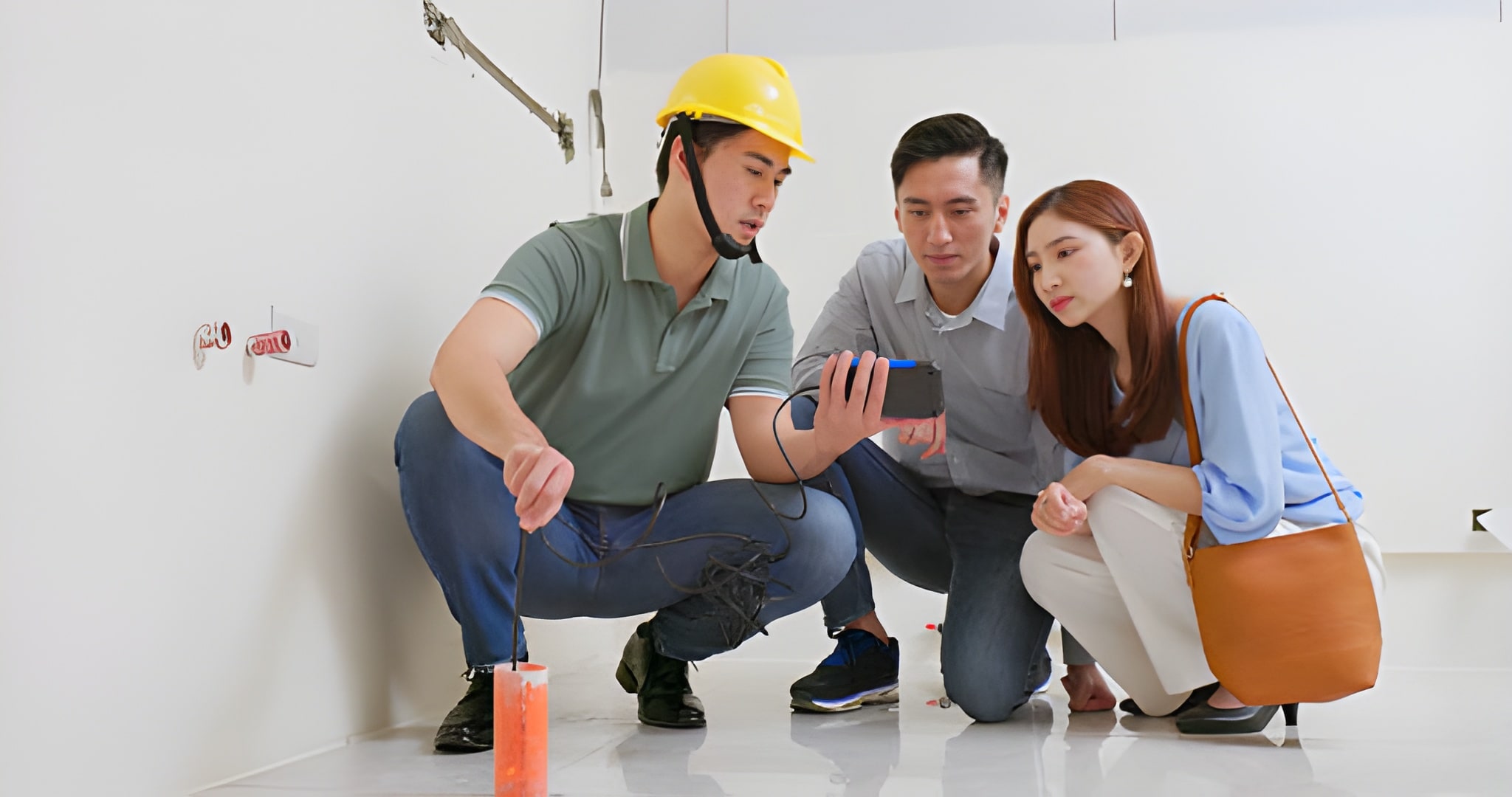
- A flexible push camera or powered crawler with pan and tilt is fed into the line. High-definition video provides a live view while the technician advances and retracts to inspect the entire run.
Locating and mapping
- A sonde (radio transmitter) in the camera allows above-ground detection so the exact line position and depth are mapped. That helps plan repairs without unnecessary excavation.
Recording and reporting
- The inspection is recorded, time-stamped, and annotated. Technicians document problem locations with distance markers and still images to support recommendations.
Types of cameras and access points used
- Push cameras: best for residential laterals and short runs.
- Crawler/tractor cameras: suited for larger mains or longer commercial runs.
- Pan-and-tilt HD cameras: provide 360-degree views and clearer defect identification.
- Sonde locators: used together with cameras to trace depth and horizontal position.
- Standard access points: interior cleanouts, exterior yard cleanouts, toilet flanges, and manholes.
How technicians interpret video and present findings
Technicians look for visual clues that indicate the root cause and severity of damage: root fibers, grease rings, scaling, broken pipe sections, or bellies. Findings are translated into a clear report that includes:
- Video file or link and still images with timecodes
- Exact distance from access point to each defect
- Severity assessment (minor, moderate, urgent) and likely causes
- Recommended next steps and the scope of work needed
The report aims to give property owners and managers the information required to authorize the most efficient repair approach.
Typical next steps after an inspection
- Targeted drain clearing: mechanical snakes or sectional cutting for localized clogs and roots.
- Hydro-jetting: high-pressure water cleaning for heavy grease, scale, and roots along a long run.
- Trenchless repairs: cured-in-place pipe lining (CIPP) or spot lining for sections with cracks or joint failures.
- Pipe bursting or trenchless replacement: for severely damaged lines where lining is not appropriate.
- Traditional excavation: when location or extent of damage requires full replacement.
Choosing the right method depends on inspection findings, pipe material and condition, and landscape considerations typical of Ojai properties.
Preparing for an inspection in Ojai
- Clear access to interior and exterior cleanouts and to expected entry points.
- Provide information on property age, previous sewer work, and any recurring drain problems.
- Limit water use for a short window before the inspection if requested, so the camera can identify standing blockages.
- Secure pets and ensure driveways and yards are accessible for equipment if exterior locating is required.
- Note if the property is on a septic system; septic laterals require different handling than public sewer laterals.
Preparing these items helps the technician complete a thorough inspection faster and with fewer interruptions.
Benefits of camera inspection for Ojai homeowners and businesses
- Precise diagnosis prevents unnecessary digging and protects mature landscaping.
- Faster decision making: visual evidence supports selecting targeted clearing or trenchless repair.
- Cost efficiency: repairs focused on the problem area reduce labor and restoration costs.
- Long-term planning: video documentation helps track pipe condition over time, useful for budgeting and property transfers.
Camarillo Plumbing applies industry-standard camera technology and trained technicians to deliver reliable inspections tailored to the unique plumbing and landscape conditions found in Ojai, CA.
Q: How long does a typical sewer camera inspection take?
A: Most residential lateral inspections take 30 to 90 minutes depending on access and line length. More extensive mainline or commercial inspections can take longer.
Q: Will the inspection disrupt my water or sewer service?
A: Inspections are minimally invasive and usually do not require shutting off water. Technicians may ask for a brief reduction in water use to locate standing blockages.
Q: Can camera inspection find roots inside the pipe?
A: Yes. Camera footage clearly shows root intrusion points, the extent of infestation, and whether roots are surface-level or penetrating joints.
Q: Is camera inspection accurate for older clay or cast iron pipes?
A: Yes. Modern inspection cameras provide clear visuals that reveal cracks, offsets, sags, and corrosion regardless of pipe material.
Q: Will I get a video of the inspection?
A: Inspections are recorded and presented as a video file or cloud link, with annotated timecodes and still images for reference.
Q: When is trenchless repair recommended after an inspection?
A: Trenchless lining or spot repairs are recommended when the pipe wall is compromised but continuous lining can restore structural integrity without full excavation.
Q: Can a camera inspection prevent future sewer emergencies?
A: Regular inspections detect developing issues early, allowing preventative action like hydro-jetting or spot repair that reduces the risk of sudden backups.
Q: Do all properties in Ojai need a sewer camera inspection?
A: Not all, but properties with older sewer lines, frequent clogs, nearby mature trees, or recurring sewer odors benefit from inspection to identify hidden problems early.
hear what our satisfied clients have to say