

Sewer Camera Inspection in Calabasas, CA
.avif)

A sewer camera inspection is the fastest, least invasive way to see exactly what is happening inside your sewer lines. For Calabasas homeowners and businesses, routine and diagnostic CCTV inspections are especially important. Mature trees, varied soil types in the canyons and hills, older pipe runs in some neighborhoods, and seasonal drought-swelling patterns all increase the risk of root intrusion, pipe shifting, and bellies that cause backups. A professional camera inspection gives clear evidence of problems, helps prioritize repairs, and guides efficient solutions like hydro-jetting or trenchless sewer repair.
What a sewer camera inspection is and why you need one
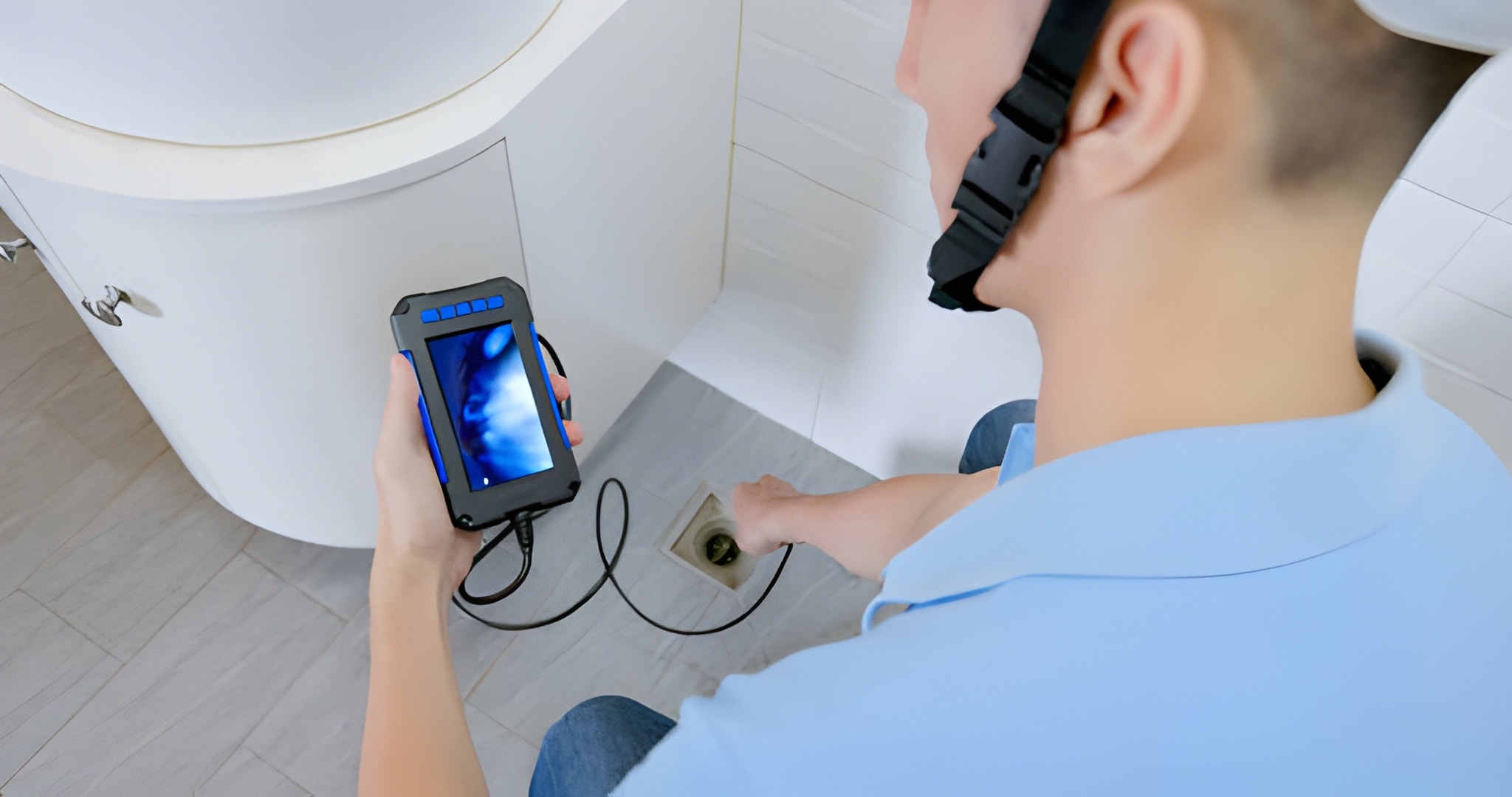
A sewer camera inspection uses a waterproof, high-resolution CCTV camera attached to a flexible push cable to travel inside the sewer line. The camera transmits live video and records it, allowing a technician to identify blockages, root intrusion, cracks, offsets, collapsed sections, joint separations, pipe material, and overall pipe condition. For Calabasas properties, inspections are commonly used for:
- Diagnosing recurring slow drains or backups
- Pre-sale or pre-purchase plumbing evaluations
- Locating the exact position and depth of a blockage or damage before repair
- Verifying the success of a previous repair or lining job
Common sewer problems in Calabasas
- Root intrusion from mature oaks and sycamores penetrating joints and cracks
- Grease and sediment buildup in older clay or cast iron lines
- Pipe bellies or sags from shifting soils and seasonal ground movement
- Cracks, offsets, and corrosion in aging pipes
- Collapsed runs after heavy rains or when lines have been compromised
- Incorrect or failed connections from older construction or remodels
The CCTV inspection process — step by step
- Pre-inspection planning: Technician confirms access points and reviews property layout. For commercial lines, permits or special access may be noted.
- Access and setup: Camera is introduced through a cleanout, toilet, or manhole. On most residential jobs this eliminates digging.
- Camera insertion and navigation: The camera is pushed through the line while the technician monitors live video on a screen. A sonde (radio transmitter) traces the camera so the exact location and depth of issues can be marked above ground.
- Live observation and recording: The technician records continuous video and time-stamped still images of problem areas and notable pipe features.
- Diagnostic analysis: Footage is reviewed to identify cause, severity, and exact location. Measurements and pipe material are noted.
- Deliverables: A written inspection report with time-stamped images/video, a map or depth/location markers, diagnosis, and recommended repairs or maintenance options.
Typical deliverables you will receive
- A concise inspection report summarizing findings
- Time-stamped images and video clips showing blockages, roots, cracks, offsets, and pipe condition
- Exact location and depth markers for identified issues
- Clear recommendations for next steps such as hydro-jetting, local repairs, lining, or full replacement
- Estimated scope and methods needed to restore full flow
How camera inspections integrate with hydro-jetting and trenchless sewer repair
- Hydro-jetting: If the camera shows grease, scale, or roots that are not structurally compromising the pipe, hydro-jetting is often the next step to clear the line. A post-jet inspection verifies complete cleaning.
- Trenchless sewer repair: When the camera identifies cracks, separated joints, or collapsed sections, a trenchless approach such as cured-in-place pipe lining or pipe bursting may be recommended. Camera footage helps determine whether lining is feasible and where access pits are required.
- Targeted excavation: For severely damaged or collapsed sections not suitable for trenchless fixes, the camera pinpoints the precise zone for localized excavation to minimize disruption.
Typical timelines and what to expect
- Scheduling window: Most inspections can be scheduled within a few business days depending on demand and access.
- Onsite time: A standard residential inspection typically takes 45 to 90 minutes on site depending on line length and complexity.
- Report delivery: Expect a written report and accompanying video/images the same day or within 24 to 48 hours after review.
- Follow-up work: If hydro-jetting or trenchless repair is recommended, those services are often completed the same day or scheduled shortly after the inspection depending on complexity and parts availability.
Preparation and safety notes
- Clear access: Remove any obstacles near cleanouts, basements, or yards where the technician will work.
- Avoid water use: Minimize water use during the inspection window to avoid misleading flow conditions.
- Safety at the scene: Technicians will follow local safety and sanitation protocols for handling sewer lines and will protect surfaces. For commercial properties, confirm any site-specific safety requirements in advance.
- Pets and children: Keep pets and children away from equipment and access points during inspection.
Examples / case studies
Case study 1 — Residential root intrusion
- Problem: Frequent backups and slow drains in a 1970s Calabasas home.
- Finding: Camera inspection revealed extensive root intrusion and a bellied section that trapped debris.
- Outcome: Hydro-jetting removed roots and buildup; a trenchless liner was installed in the bellied zone to restore flow without major landscaping disruption.
Case study 2 — Pre-purchase inspection for a canyon property
- Problem: Buyer suspected aging sewer lines near mature landscaping.
- Finding: Inspection located a 10-foot offset and several fractured joints under a landscaped slope.
- Outcome: Exact location allowed targeted trenchless repair of the offset and a verified video report used in transaction negotiations.
Benefits of timely sewer inspections
- Prevent costly backups and property damage by addressing issues early
- Provide evidence for home sale negotiations or insurance documentation
- Reduce unnecessary digging with precise problem location
- Extend the life of existing sewer lines through targeted maintenance
Frequently Asked Questions
Q: How often should I have a sewer camera inspection?A: Homeowners typically schedule inspections every 2 to 5 years for preventive maintenance, or immediately when experiencing persistent slow drains, smells, or backups.
Q: Will the camera inspection damage my pipes?A: No. Camera inspection is noninvasive and designed to travel through pipes without causing damage. It is the safest diagnostic tool for sewer evaluation.
Q: Can a sewer camera find leaks into the yard?A: A camera can reveal structural defects and collapse points that may allow leaks. Locating an exact groundwater infiltration point may require complementary leak detection methods.
Q: Do camera inspections always lead to excavation?A: Not always. Many issues can be resolved with hydro-jetting or trenchless lining once the camera confirms the condition. Excavation is reserved for cases where trenchless methods are not feasible.
Q: How are locations marked above ground?A: A sonde in the camera transmits a radio signal so the technician can map the camera position and measure depth. This allows for precise, minimal digging if needed.
Q: Will insurance cover inspection or repairs?A: Coverage varies by policy and the cause of the damage. A documented inspection report helps support claims but policy terms determine eligibility.
Scheduling an inspection normally follows a clear sequence: request the inspection, confirm access and appointment window, technician performs on-site camera evaluation, and Camarillo Plumbing provides the inspection report with video and recommended repairs. Camarillo Plumbing’s inspections are tailored to Calabasas conditions and designed to deliver the clear, actionable information needed to resolve sewer issues with minimal disruption.
hear what our satisfied clients have to say