
Hydro Jetting Newbury Park, CA
.avif)
Hydro jetting is a professional high-pressure water cleaning service used to clear sewer lines and drains when traditional methods fall short. For Newbury Park homes and businesses, where mature landscaping, regional hard water, and older plumbing lines are common, hydro jetting offers a thorough, long-lasting solution for stubborn blockages and heavy buildup. Camarillo Plumbing provides experienced hydro jetting that combines careful diagnostics, safe on-site practices, and environmentally responsible disposal to restore proper flow and reduce repeat clogs.
What hydro jetting removes (common problems in Newbury Park)
Hydro jetting uses a high-pressure stream of water to scour pipe walls and is effective against a wide range of materials that cause backups:
- Grease and oil buildup from kitchen drains and restaurants
- Hair and soap scum common in showers and tubs
- Mineral scale and hard water deposits that narrow pipes over time
- Tree roots and fibrous roots penetrating joints — particularly likely in Newbury Park because of mature oaks and canyon landscaping
- Sand, sediment, and heavy sludge that accumulates in older lines
Why hydro jetting is recommended over snaking
Hydro jetting cleans the full circumference of a pipe and removes the underlying residue, not just a single blockage point. Key advantages include:
- Full pipe cleaning rather than a narrow channel
- Longer-lasting results and reduced repeat visits
- Effective on grease, scale, and root intrusions that snaking may only partially cut through
- Eco-friendly: uses only water, no harsh chemicals
When snaking (mechanical auguring) remains appropriate:
- For small, isolated clogs caused by a single item lodged in a trap
- When pipe condition is uncertain; snaking can be a gentler first attempt
Important safety note: hydro jetting delivers very high pressure and can damage cracked, deteriorated, or poorly joined pipes. A careful diagnostic inspection is required before jetting.
Diagnostic steps and preparation
A good hydro jetting job begins with accurate diagnostics:
- Sewer camera inspection to assess pipe condition, locate blockages, and identify breaks or offsets
- Identify and access cleanouts and service points; clearances may be required in crawlspaces or yards
- Evaluate whether the property ties into municipal sewer or a private septic system (hydro jetting is not recommended for septic tanks without specialist evaluation)
- Review local sewer discharge regulations and plan disposal
- Confirm safe working conditions and protect surrounding landscaping and fixtures
Technicians will advise if pipes are too fragile for jetting and recommend alternatives such as targeted repairs or trenchless solutions when needed.
The hydro jetting process (what happens on the job)
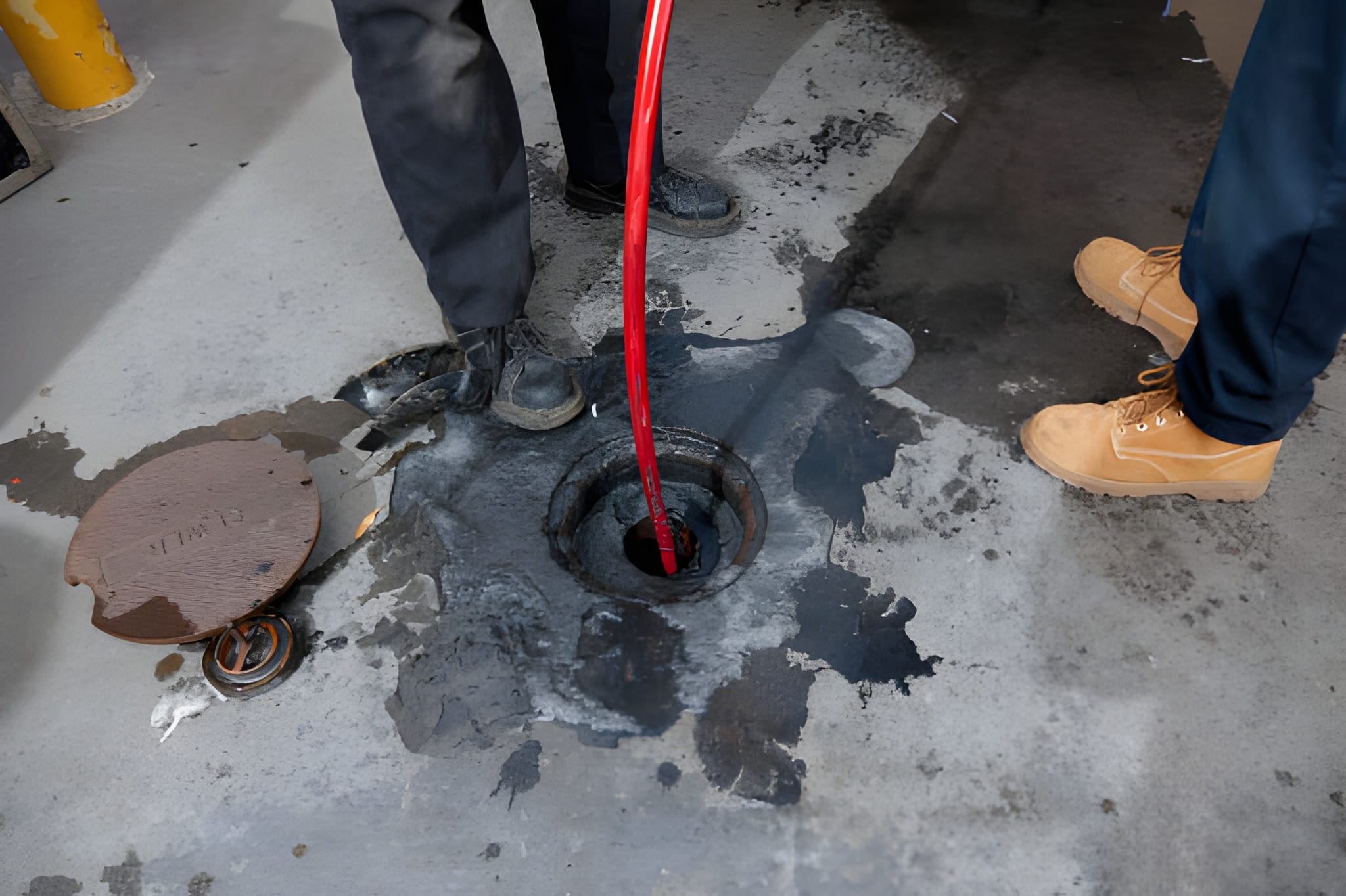
- Set up: truck- or trailer-mounted water unit positioned for hose access; technician places protective mats and secures the work area
- Camera pre-inspection to pinpoint the problem area and determine nozzle selection
- Jetting: a high-pressure nozzle is fed into the line while water is pumped at variable pressures and flows to remove buildup. Nozzle design and pressure settings are adjusted for roots, grease, or scale.
- Debris control: loosened material is flushed down the line toward the main sewer or collected at a municipal access point; technicians ensure the removed material does not cause further backups
- Post-clean camera inspection to confirm the line is clear and to document results
- Clean up and responsible disposal practices in accordance with local regulations
Environmental disposal and safety practices
Camarillo Plumbing follows responsible disposal practices required in Ventura County and municipal systems:
- Water and dissolved solids are drained into the sewer system where municipal treatment handles them
- Larger solids are contained and prevented from entering storm drains
- No caustic chemicals are used during jetting — only high-pressure water
- Technicians use containment measures to avoid runoff into landscaping or storm drains
Expected job duration and what to expect
Residential hydro jetting jobs typically take between one and three hours, depending on:
- Length and accessibility of the line
- Severity and type of buildup (roots and heavy scale take longer)
- Time spent on camera inspections and final verification
During the job expect vehicle-mounted equipment, hoses to cleanouts, some noise from pumps, and brief water usage increases. In older systems, jetting may reveal hidden pipe damage that requires follow-up repairs.
Pricing and estimate guidance
Rather than fixed pricing, professional estimates are based on:
- Accessibility of cleanouts and pipe layout
- Distance to the blockage and total linear footage to be cleaned
- Severity and type of obstruction (roots, grease, scale)
- Need for camera inspections, permits, or follow-up repairs
- Whether work involves mainline cleaning or localized lateral cleaning
A thorough on-site assessment includes a camera inspection and a written estimate that outlines the scope, expected duration, and any contingencies for repairs uncovered during service.
Maintenance recommendations to prevent recurring clogs
Preventive measures help extend the effectiveness of hydro jetting and reduce future emergencies:
- Avoid pouring grease down kitchen drains; collect and dispose of grease offsite
- Use hair catchers in tub and shower drains
- Do not flush wipes, feminine products, or cotton products down toilets
- Install and maintain grease traps for commercial kitchens
- Consider enzyme or biological treatments recommended for regular maintenance (use as a supplement, not a replacement for mechanical cleaning)
- Schedule preventive camera inspections and professional hydro jetting every 12 to 36 months depending on household size, tree proximity, and local water hardness
When to choose emergency vs routine hydro jetting
Emergency hydro jetting is appropriate for:
- Multiple fixtures backing up simultaneously
- Sewage odors or visible sewage backups
- Sudden, complete stoppage after normal use
Routine or preventive hydro jetting is recommended when:
- Slow drains persist despite snaking
- Repeated minor clogs occur
- Camera inspections show progressive buildup or early root infiltration
- Property has known hard water or tree root exposure (common in Newbury Park neighborhoods with mature trees)
Camarillo Plumbing conducts careful diagnostics and recommends the safest, most effective approach for each property in Newbury Park, balancing immediate restoration with long-term pipe health.
FAQs
Q: Is hydro jetting safe for older pipes?A: A pre-jet camera inspection determines pipe condition. If pipes are severely deteriorated, technicians will recommend alternatives to avoid damage.
Q: How often should I have my main line hydro jetted?A: Frequency depends on tree root presence, household size, and local water hardness. Many properties benefit from hydro jetting every 1 to 3 years.
Q: Will hydro jetting harm my septic system?A: Hydro jetting into a septic tank is not typically recommended. A septic system evaluation is required before any jetting to avoid system disruption.
Q: How long before I can use my plumbing after hydro jetting?A: Most systems are usable immediately after the final inspection; technicians will confirm everything is clear and functioning.
Q: Does hydro jetting remove tree roots completely?A: Hydro jetting can remove root masses inside the pipe, but if roots have compromised the pipe or re-enter through cracks, root control or pipe repair may be necessary to prevent recurrence.
hear what our satisfied clients have to say